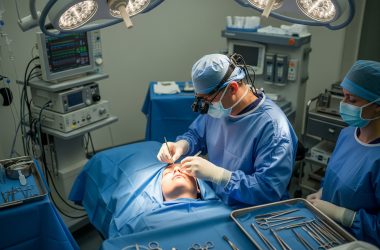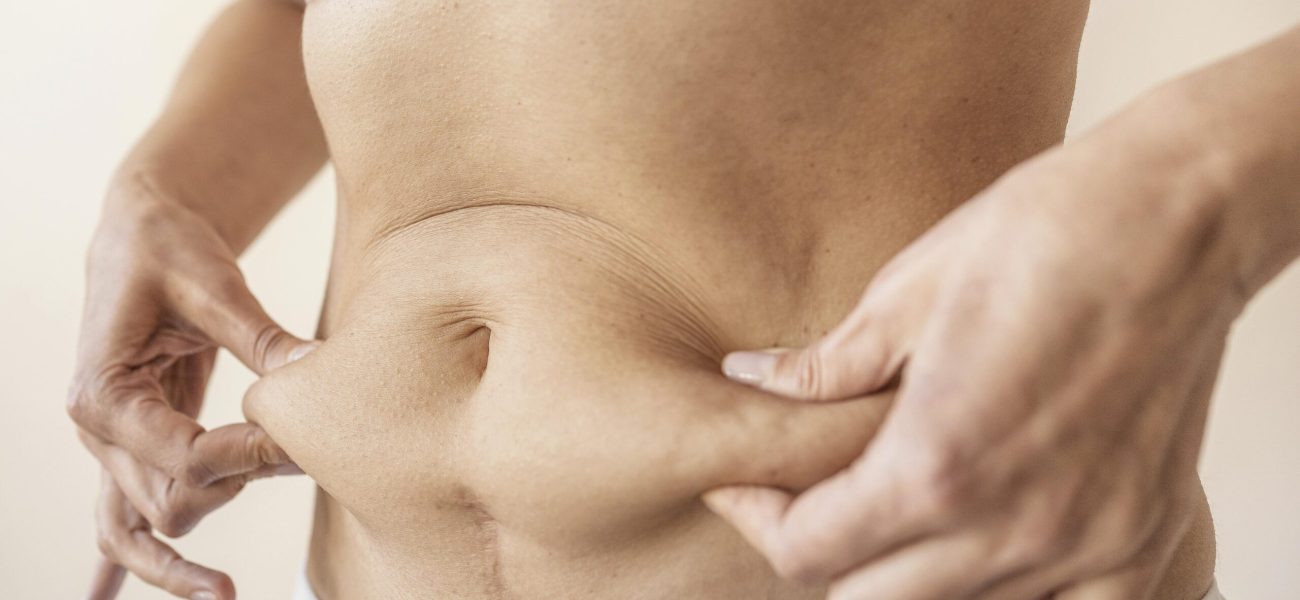
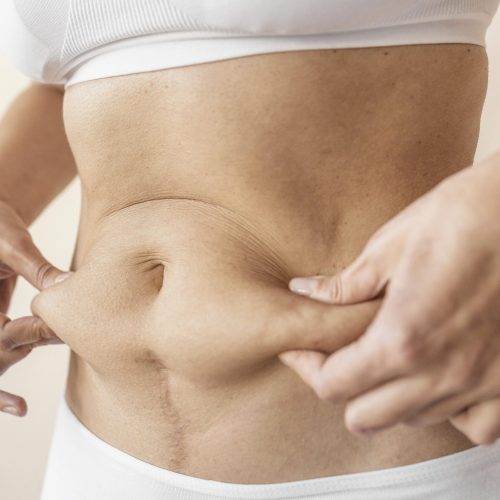

A tummy tuck, medically known as abdominoplasty, removes excess abdominal skin and may tighten weakened or separated abdominal muscles.
International patients may consider tummy tuck surgery in Turkey after pregnancy, substantial weight loss, ageing, or previous abdominal surgery. However, it is a major operation with a permanent scar, several weeks of recovery, and possible complications that require a clear follow-up plan.
Tummy Tuck in Turkey at a Glance
| Topic | General Information |
| Medical name | Abdominoplasty |
| Current MedicaRoute pricing | Personalized quote |
| Procedure duration | Approximately 2–5 hours |
| Common anesthesia | General anesthesia |
| Hospital stay | Often several nights |
| Suggested travel period | Commonly around 7–10 days |
| Time away from work | Often approximately 4–6 weeks |
| Compression garment | Commonly worn for several weeks |
| Early recovery | Approximately 6 weeks |
| Scar maturation | May continue for 12–18 months |
The NHS describes a full tummy tuck as an operation lasting approximately two to five hours, commonly followed by several nights in hospital. It advises allowing around four to six weeks away from work and exercise.
For international patients, a stay of approximately seven to ten days may allow time for the operation, hospital admission, early wound review, drain assessment, and an initial follow-up. This is a general planning estimate rather than a fixed medical rule.
What Is a Tummy Tuck?
A tummy tuck removes loose abdominal skin and selected fatty tissue. When required, the operation may also repair or tighten weakened or separated abdominal muscles.
The American Society of Plastic Surgeons describes abdominoplasty as a procedure that removes excess fat and skin and, in many cases, restores weakened or separated muscles to create a firmer abdominal profile.
The operation may be considered when the abdomen has changed because of:
- Pregnancy
- Major weight loss
- Ageing
- Genetics
- Previous abdominal surgery
- Repeated weight fluctuations
- Loss of skin elasticity
Tummy tuck surgery is not a weight-loss operation and does not replace nutrition, physical activity, or bariatric treatment. Significant future weight changes can alter the result.
How Much Does a Tummy Tuck Cost in Turkey?
MedicaRoute currently presents its tummy tuck-related treatment as personalized quote pricing rather than publishing one fixed package range.
This is reasonable because “tummy tuck” can refer to substantially different operations. A limited mini tummy tuck is not directly comparable with a full abdominoplasty involving muscle repair, an extended incision, several nights in hospital, and additional liposuction.
The total price may be affected by:
- Mini, full, or extended abdominoplasty
- Whether abdominal muscle repair is planned
- Whether liposuction is added
- Number of hospital nights
- Pre-operative testing
- General anesthesia
- Surgical drains and dressings
- Compression garments
- Hotel accommodation
- Transfers and translation
- Length of follow-up in Turkey
- Treatment needed for complications
Patients should request a detailed written quote after the surgeon has reviewed photographs, medical information, previous operations, and the likely extent of skin removal.
What Additional Medical Costs May Arise After Assessment?
A preliminary tummy tuck quote may change after the surgeon examines the amount and location of loose skin, abdominal muscles, previous surgical scars, possible hernias, general health, and whether the planned operation can be performed safely as a single procedure. These are additional medical costs rather than accommodation, transfers, or other travel expenses.
| Possible Additional Medical Cost | Why It May Be Required |
| Additional blood tests or medical clearance | When anemia, bleeding risk, diabetes, current medication, or another medical condition requires further assessment |
| ECG, cardiology, respiratory, or anesthesia assessment | When the patient’s health history or expected operation duration requires additional specialist clearance |
| Ultrasound, CT, or other diagnostic imaging | When an abdominal-wall hernia, previous surgical complication, mass, or another condition is suspected |
| Hernia repair | When an abdominal or umbilical hernia is identified and needs to be treated during or before the tummy tuck |
| Abdominal muscle repair | When muscle separation is confirmed and repair was not included in the preliminary plan |
| Liposuction of the abdomen, waist, or flanks | When localized fat around adjacent areas must also be treated to achieve the proposed contour |
| Extended tummy tuck or a wider skin-removal procedure | When loose skin extends beyond the front of the abdomen toward the flanks or lower back |
| A staged body-contouring plan | When the amount of excess skin or the number of proposed procedures makes a single operation medically inappropriate |
| Additional hospital nights or higher-level monitoring | When combined surgery, medical conditions, anesthesia recovery, mobility, pain, or early postoperative findings require longer observation |
| Additional drain care or treatment of fluid collection | When drains must remain longer than expected or a seroma develops and requires assessment or drainage |
| Treatment of wound-healing problems or infection | When delayed healing, wound separation, skin problems, or infection requires dressings, medication, procedures, or further follow-up |
| Further surgery for bleeding or another complication | When a hematoma, tissue problem, or another significant postoperative complication requires surgical treatment |
A tummy tuck may involve removal of excess skin and fat and, in many cases, repair of weakened or separated abdominal muscles. The extent of surgery can therefore change after physical examination, particularly when muscle separation, substantial skin laxity, previous surgery, or a possible hernia is identified.
Seroma, bleeding, infection, poor wound healing, blood clots, skin loss, and the possible need for revision surgery are recognized risks of abdominoplasty. These complications may require additional medical care or a longer hospital stay that is not included in the initial package.
Patients should ask whether muscle repair, hernia assessment, liposuction, drains, additional hospital care, and treatment of postoperative complications are included in the preliminary quote. The final surgical scope and total medical cost should be confirmed after the in-person examination and pre-operative test results are available.
What Should Be Included in the Quote?
An itemized quote should state whether it includes:
- Preliminary medical review
- In-person surgical consultation
- Pre-operative blood tests
- Anesthesia assessment
- Surgeon’s fee
- General anesthesia
- Operating-room charges
- Hospital admission
- Number of hospital nights
- Surgical drains
- Compression garment
- Medication during admission
- Discharge medication
- Early follow-up appointments
- Drain removal
- Dressing changes
- Hotel accommodation
- Airport and hospital transfers
- Translation assistance
- Medical records
- Complication policy
- Additional hospital-night charges
- Revision terms
Types of Tummy Tuck Surgery
Full Tummy Tuck
A full abdominoplasty generally treats both the upper and lower abdomen.
The procedure commonly involves:
- A horizontal incision across the lower abdomen
- Separation of the skin from the abdominal wall
- Removal of excess skin and selected fat
- Muscle repair when required
- Repositioning of the belly button
- Closure of the lower-abdominal incision
The NHS explains that a full tummy tuck usually involves an incision from hip to hip, release of the belly button, adjustment of the abdominal muscles, removal of excess tissue, and creation of a new opening for the belly button.
Mini Tummy Tuck
A mini tummy tuck generally focuses on loose skin below the belly button.
It may involve:
- A shorter lower-abdominal incision
- Limited skin removal
- No belly-button repositioning
- Limited muscle repair in selected cases
- A smaller treatment area than full abdominoplasty
Despite its name, a mini tummy tuck is still surgery. It is not simply a less expensive substitute for a full procedure.
Extended Tummy Tuck
An extended tummy tuck uses a longer incision to address loose skin extending toward the flanks or sides of the waist.
It may be discussed after significant weight loss when excess skin is not limited to the front of the abdomen.
Post-Weight-Loss Abdominal Surgery
Patients who have lost a substantial amount of weight may have loose tissue affecting the abdomen, waist, back, thighs, arms, or chest.
In these cases, post-bariatric plastic surgery may involve a broader body-contouring plan rather than an isolated tummy tuck. Multiple procedures may be separated into stages to manage operating time and recovery.
Tummy Tuck and Liposuction
Tummy tuck surgery and liposuction address different concerns.
| Feature | Tummy Tuck | Liposuction |
| Main purpose | Removes excess skin and may repair abdominal muscles | Removes localized fat |
| Loose-skin removal | Yes | No |
| Muscle repair | May be included | No |
| Main scar | Long lower-abdominal scar | Several small incisions |
| Belly-button repositioning | Common in a full tummy tuck | No |
| Weight-loss treatment | No | No |
MedlinePlus distinguishes abdominal wall surgery from liposuction, although the two procedures may be combined.
Abdominal liposuction may improve localized fat but cannot remove a large amount of loose skin or repair separated abdominal muscles.
What Is a Tummy Tuck with 360 Liposuction?
Tummy tuck and 360-degree liposuction combines abdominal skin removal with fat removal around multiple parts of the midsection.
The treatment area may include:
- Abdomen
- Waist
- Flanks
- Lower back
- Selected upper-back areas
The purpose is to address the torso from several directions rather than treating only the front of the abdomen. MedicaRoute lists the combined approach as a separate treatment because its surgical scope differs from a standard tummy tuck or abdominal liposuction alone.
Combined surgery may involve longer operating time, more swelling, greater fluid shifts, additional recovery needs, and a higher total cost. Patients should ask why each component is being recommended rather than assuming more procedures will automatically produce a better result.
Tummy Tuck Procedure: Step by Step
1. Preliminary Medical Review
Before travelling, patients may be asked to provide:
- Abdominal photographs
- Height and weight
- Medical history
- Current medication list
- Allergies
- Previous abdominal operations
- Pregnancy and childbirth history
- Weight-loss history
- Smoking or nicotine use
- History of blood clots
- Existing hernias
- Relevant test or imaging results
An online review may support initial planning, but it cannot replace an in-person examination.
2. In-Person Consultation
A plastic surgery consultation should assess:
- Amount and location of loose skin
- Distribution of abdominal fat
- Skin quality
- Existing scars
- Abdominal muscle separation
- Possible hernias
- Belly-button position
- General surgical fitness
- Expected scar length
- Whether liposuction is appropriate
- Whether a mini, full, or extended procedure is being proposed
The surgeon should explain which concerns the operation can address and which may remain afterward.
3. Surgical Marking
The planned incision, skin-removal area, and any liposuction zones are normally marked before surgery.
The main scar is usually designed low on the abdomen, but its final position and length depend on the amount of tissue being removed and the patient’s anatomy.
4. General Anesthesia
A full tummy tuck is generally performed under general anesthesia.
The anesthesia assessment should consider medical conditions, previous anesthesia experiences, current medication, smoking, breathing problems, weight, and blood-clot risk.
5. Lower-Abdominal Incision
The surgeon makes a horizontal incision across the lower abdomen. A full or extended tummy tuck typically requires a longer incision than a mini tummy tuck.
The resulting scar is permanent, although it normally changes and fades over time.
6. Muscle Repair
If the abdominal muscles or their connective covering have separated, internal sutures may be used to bring the tissues closer together.
Muscle repair is not automatically required in every tummy tuck. Patients should ask whether it is included in their proposed plan and what findings support it.
7. Skin Removal and Belly-Button Repositioning
Excess skin is removed, and the remaining tissue is pulled downward.
During a full tummy tuck, the belly button commonly remains attached to the underlying abdominal wall but is brought through a new opening in the repositioned skin.
8. Closure, Drains, and Compression
The incisions are closed, and dressings are applied.
Small drainage tubes may temporarily be positioned beneath the skin to remove fluid or blood that might otherwise collect. A compression garment may also be used to support the abdomen and manage swelling during early healing.
How Long Should International Patients Stay in Turkey?
A cautious travel plan commonly allows approximately 7–10 days, although some patients may need longer.
A possible schedule is:
| Stage | Approximate Timing |
| Arrival and consultation | Day 1 |
| Tests and anesthesia review | Day 1 or 2 |
| Surgery | After medical clearance |
| Hospital admission | Often several nights |
| Early hotel recovery | Remaining days |
| Wound and drain review | During the first week |
| Return home | After medical clearance |
The NHS states that patients commonly remain in hospital for several nights after a full tummy tuck.
Patients should clarify:
- Whether drains will be removed before departure
- Whether they may travel with drains
- When the first wound check is scheduled
- When flying is considered appropriate
- What happens if discharge is delayed
- Whether someone should accompany them
- How complications will be handled after returning home
Return flights should not be booked so tightly that a longer hospital stay or additional review becomes impossible.
Tummy Tuck Recovery Timeline
| Time After Surgery | General Expectations |
| First 1–3 days | Hospital monitoring, abdominal tightness, pain, swelling, and limited movement |
| First week | Wound care, drain monitoring, bent posture, and short assisted walks |
| Weeks 2–3 | Gradual improvement, although fatigue and swelling remain |
| Weeks 4–6 | Increasing daily activity after medical clearance |
| Around 6 weeks | Many routine activities may resume |
| Months 2–6 | Swelling continues to settle and the abdomen softens |
| Months 6–18 | Scar colour and texture continue changing |
The NHS advises that full recovery commonly takes around six weeks. During this period, patients may need to avoid work and exercise and wear a compression garment according to their surgical instructions.
The First Week
Early recovery may involve:
- Abdominal pain or tightness
- Swelling and bruising
- Difficulty standing fully upright
- Limited walking speed
- Temporary drains
- Dressings
- Fatigue
- A pulling sensation across the lower abdomen
Patients may need help with meals, dressing, transportation, and routine activities during the first days.
Short, careful movement may be encouraged as part of the recovery plan, but activity instructions should come from the treating team.
Returning to Work and Exercise
The NHS advises allowing approximately four to six weeks away from work and exercise after tummy tuck surgery. The actual timeline depends on the surgical extent, muscle repair, wound healing, the type of work, and whether complications occur.
Desk-based work may be possible sooner for some patients, while jobs involving lifting, bending, prolonged standing, or physical effort may require more time.
Patients should obtain individual instructions for:
- Driving
- Desk work
- Heavy lifting
- Gym activity
- Abdominal exercise
- Swimming
- Sexual activity
- Air travel
- Wearing the compression garment
Tummy Tuck Scars
A full tummy tuck normally leaves:
- A horizontal scar across the lower abdomen
- A scar around the belly button
A mini tummy tuck generally leaves a shorter lower-abdominal scar and may not require a belly-button incision.
The NHS notes that scars may initially be raised, red, or a different colour from the surrounding skin and may continue fading over approximately 12–18 months.
Scar position and length should be discussed before surgery. No provider should promise an invisible or completely scar-free tummy tuck.
When Will the Final Result Be Visible?
The abdominal shape changes immediately because skin has been removed, but swelling can hide the final contour.
The abdomen may initially appear:
- Swollen
- Tight
- Uneven
- Higher or lower on one side
- Firm around the incision
- Different around the repositioned belly button
Although general physical recovery may take approximately six weeks, tissue settling and scar maturation continue for several months.
Final assessment should therefore not be based on photographs taken during the first few weeks.
Can a Tummy Tuck Remove Stretch Marks?
A tummy tuck is not specifically a stretch-mark treatment.
Stretch marks located on skin that is removed may also be removed. Marks outside the excised area usually remain, although their position may change when the skin is tightened.
Patients should be cautious with claims that abdominoplasty removes all stretch marks.
Is a Tummy Tuck Permanent?
Skin and fat removed during surgery do not return in the same form, but the abdomen can still change because of:
- Pregnancy
- Weight gain
- Weight loss
- Ageing
- Changes in skin elasticity
- Further abdominal surgery
ASPS advises patients planning major weight loss or future pregnancy to consider postponing tummy tuck surgery because these changes can reduce the durability of the result.
Possible Risks and Complications
Possible risks include:
- Bleeding
- Infection
- Blood clots
- Anesthesia complications
- Fluid collection or seroma
- Blood collection or haematoma
- Delayed wound healing
- Wound separation
- Skin or fat-tissue loss
- Persistent pain
- Numbness
- Asymmetry
- Prolonged swelling
- Visible or raised scars
- Irregular contour
- Recurrent loose skin
- Need for revision surgery
ASPS includes deep-vein thrombosis, heart or lung complications, seroma, infection, poor wound healing, skin loss, persistent pain, unfavourable scarring, asymmetry, and revision surgery among recognized tummy tuck risks.
The NHS also identifies fluid collection, haematoma, breathing problems, wound-healing difficulties, infection, bleeding, and blood clots as possible complications.
Warning Signs After Surgery
Patients should receive written instructions explaining which symptoms require urgent assessment.
Possible warning signs include:
- Increasing rather than improving pain
- Sudden abdominal swelling
- Heavy bleeding
- Worsening redness
- Discharge or unpleasant odour
- Fever or chills
- Wound opening
- Shortness of breath
- Chest pain
- One-sided leg pain or swelling
- Fainting or severe weakness
- Sudden skin colour changes around the wound
International patients should know who to contact at all hours and where to seek urgent care after returning home.
Smoking and Wound Healing
Nicotine can interfere with blood flow and wound healing, which is particularly relevant because tummy tuck surgery creates a long incision and moves a large area of abdominal skin.
An NHS hospital guide advises stopping smoking at least six weeks before abdominoplasty to reduce complications such as wound breakdown.
Patients should disclose cigarettes, vaping, nicotine replacement products, and other nicotine use during the surgical assessment. Individual instructions must come from the treating team.
Who Should Think Carefully Before Travelling?
Treatment abroad may not be practical when:
- The patient has an unstable medical condition
- Weight is still changing significantly
- Pregnancy is being planned
- There is an untreated abdominal hernia
- The patient currently uses nicotine and cannot follow the surgical requirements
- There is a history of blood clots requiring additional assessment
- The patient cannot remain for early follow-up
- No one can assist during the first days
- Local follow-up has not been arranged
- The quote does not explain the surgical scope
- The provider promises scar-free surgery or guaranteed results
- The complication policy is unclear
A licensed plastic surgeon and anesthesia team should evaluate individual suitability.
How to Check a Provider in Turkey
Healthcare facilities and intermediary organizations providing international medical tourism services in Turkey must hold an International Health Tourism Authorization Certificate.
Health Türkiye states that this authorization is required under Turkey’s international health-tourism framework and that authorized organizations are subject to government monitoring.
Authorization is an important administrative check, but it does not guarantee a particular result or eliminate surgical risk.
Questions to Ask Before Booking
International patients should ask:
- Am I being offered a mini, full, or extended tummy tuck?
- How long will the incision be?
- Will my belly button be repositioned?
- Is muscle repair planned?
- Is a hernia suspected?
- Will liposuction be included?
- Which areas will be treated with liposuction?
- How long is the operation expected to take?
- How many hospital nights are included?
- Will drains be used?
- When will the drains be removed?
- How long should I remain in Turkey?
- When may I fly?
- Is the compression garment included?
- What is excluded from the quote?
- What happens if the wound opens or fluid collects?
- Who will review my recovery after I return home?
- What is the complication and revision policy?
- Which medical records will I receive?
A clear surgical plan is more useful than selecting a package according to price alone.
Final Thoughts
Tummy tuck surgery removes excess abdominal skin and may repair weakened or separated muscles. It differs from liposuction, which removes localized fat but does not remove substantial loose skin or tighten the abdominal wall.
The operation commonly takes approximately two to five hours, may require several hospital nights, and generally involves around six weeks of physical recovery. Scars and swelling continue changing for considerably longer.
MedicaRoute currently uses personalized pricing for tummy tuck-related treatment. Patients should compare itemized quotes covering the precise procedure, anesthesia, hospital stay, drains, compression garment, accommodation, transfers, follow-up, and complication policy.
MedicaRoute can help international patients review tummy tuck plans and understand the proposed surgical scope, travel schedule, and package inclusions before booking.