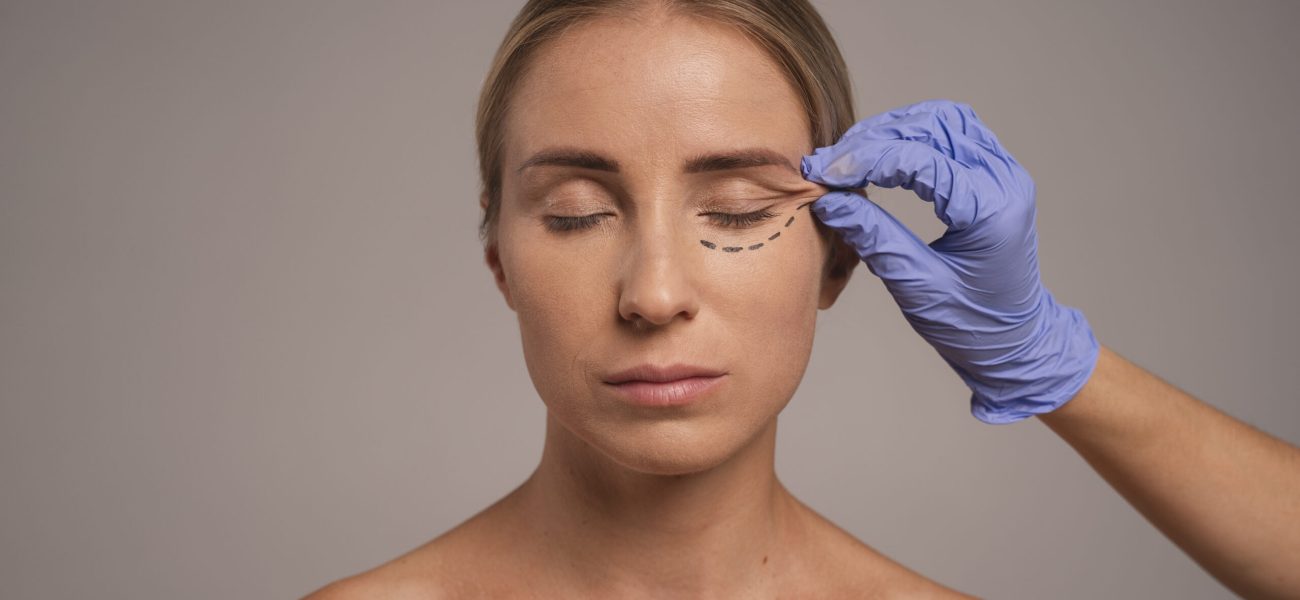
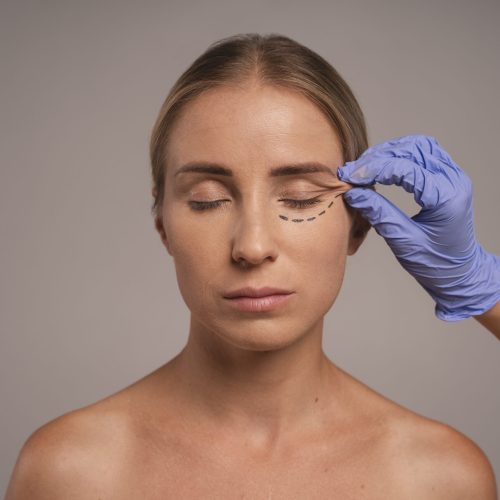

Blepharoplasty, also called eyelid surgery, can remove or reposition excess skin and fat around the upper eyelids, lower eyelids, or both.
International patients often research the procedure in Turkey because surgery, accommodation, transfers, and early follow-up may be coordinated within one trip. Before travelling, patients should understand the total cost, surgical plan, recovery period, possible risks, and follow-up arrangements.
Blepharoplasty in Turkey at a Glance
| Topic | General Information |
| Treatment areas | Upper eyelids, lower eyelids, or both |
| Typical planning range | Around €1,500–€4,000 |
| Procedure time | Approximately 45 minutes to 2.5 hours |
| Common anesthesia | Local anesthesia with sedation or general anesthesia |
| Typical stay in Turkey | Around 5–7 days |
| Return to light activities | Often within 1–2 weeks |
| Bruising and swelling | May remain visible for several weeks |
| Final healing | Scars and swelling continue improving over several months |
The NHS states that eyelid surgery may take approximately 45 minutes to 2.5 hours. Most patients can leave the surgical facility on the same day, although the exact plan is based on the procedure and anesthesia used.
What Is Blepharoplasty?
Blepharoplasty is surgery performed on the eyelids. It may address:
- Loose or excess upper-eyelid skin
- Upper-eyelid heaviness
- Under-eye bags
- Protruding fat around the eyelids
- Lower-eyelid skin laxity
- Asymmetry
- Eyelid changes that affect peripheral vision
The procedure may be cosmetic, functional, or a combination of both. Excess upper-eyelid skin can sometimes obstruct peripheral vision, while lower-eyelid surgery is more commonly performed for appearance-related concerns.
Blepharoplasty does not automatically correct every concern around the eyes. Brow position, eyelid drooping caused by muscle weakness, dry-eye symptoms, facial volume loss, and skin quality may require separate evaluation.
Upper vs Lower Blepharoplasty
Upper and lower eyelid surgery address different anatomical concerns.
| Feature | Upper Blepharoplasty | Lower Blepharoplasty |
| Main treatment area | Upper eyelid | Under-eye and lower eyelid |
| Common concerns | Excess skin, hooding, eyelid heaviness | Bags, protruding fat, skin laxity |
| Typical incision | Within the natural upper-eyelid crease | Below the lashes or inside the eyelid |
| Functional purpose | May improve vision when skin obstructs the visual field | Usually cosmetic |
| Recovery | Swelling and bruising around the upper lid | Swelling and bruising may extend below the eyes |
During upper-eyelid surgery, the incision is generally placed within the natural eyelid crease. Lower-eyelid surgery may use an incision beneath the lash line or a transconjunctival incision inside the eyelid, particularly when fat is treated without removing external skin.
Patients considering treatment in both areas can review upper and lower eyelid surgery.
How Much Does Blepharoplasty Cost in Turkey?
For general planning, blepharoplasty packages in Turkey are often discussed within a range of approximately €1,500–€4,000.
The total cost is usually influenced by:
- Upper, lower, or combined eyelid surgery
- Whether one or both eyes are treated
- Surgical complexity
- Local or general anesthesia
- Hospital or operating-facility fees
- Pre-operative tests
- Overnight observation, if required
- Accommodation and transfers
- Follow-up appointments
- Additional procedures performed at the same time
Upper-eyelid surgery alone is generally at the lower end of the price range. Combined upper and lower eyelid surgery commonly costs more because it involves a wider treatment area and longer operating time.
Patients should request an itemized quote rather than relying on the starting price.
What Additional Medical Costs May Arise After Assessment?
A preliminary blepharoplasty quote may change after the surgeon examines the eyelid position, brow position, eye closure, tear film, visual function, medical history, and any previous eye or eyelid surgery. These are additional medical costs rather than accommodation, transfers, or other travel expenses.
| Possible Additional Medical Cost | Why It May Be Required |
| Complete ophthalmic examination | When existing eye conditions, previous eye surgery, visual symptoms, or eyelid-function concerns require further assessment |
| Visual field testing | When excess upper-eyelid skin may be obstructing peripheral vision |
| Dry-eye or tear-film testing | When the patient reports dryness, irritation, watering, contact-lens intolerance, or difficulty closing the eyes |
| Treatment of an ocular-surface or eyelid condition | When inflammation, infection, significant dryness, or another eye condition should be managed before surgery |
| Ptosis repair | When the upper eyelid is drooping because of weakness or stretching of the eyelid-lifting mechanism rather than excess skin alone |
| Brow-lift surgery | When a low brow position contributes to upper-eyelid hooding and blepharoplasty alone may not address the concern |
| Additional lower-eyelid support procedure | When lower-eyelid laxity or malposition increases the risk of lid lag or outward turning of the eyelid |
| Additional anesthesia or medical clearance | When the patient’s medical history or the extent of surgery requires further specialist assessment |
| Extended medical observation | When combined surgery, anesthesia, or the patient’s health makes longer monitoring appropriate |
A proper blepharoplasty assessment may include evaluation of dry-eye symptoms, tear production, eyelid closure, concurrent ptosis, brow position, lower-eyelid laxity, visual acuity, and—when function is affected—visual field testing. Ptosis repair or brow surgery may therefore be discussed in addition to, or instead of, blepharoplasty in selected patients.
Patients should ask which examinations and additional procedures are included in the quote, which would be charged separately, and whether the final surgical plan may change after the in-person assessment. Lower-eyelid malposition, dry eyes, difficulty closing the eyes, and possible revision surgery are recognized considerations in eyelid surgery planning.
What Should the Quote Include?
A written blepharoplasty quote should explain whether the price includes:
- Pre-operative consultation
- Surgeon’s fee
- Hospital or surgical-facility charges
- Anesthesia
- Medical tests
- Medication
- Dressings and aftercare products
- Follow-up appointments
- Suture removal, if needed
- Hotel accommodation
- Airport and facility transfers
- Translation support
- Treatment for unexpected complications
- Revision policy
A future article about what is included in a plastic surgery package in Turkey could help international patients distinguish essential medical costs from optional travel services.
Blepharoplasty Procedure: Step by Step
1. Preliminary Review
Before travelling, patients may be asked to provide:
- Clear facial and eyelid photographs
- Medical history
- Current medication list
- Previous eye surgery information
- Existing eye conditions
- Dry-eye symptoms
- Contact-lens use
- Smoking or nicotine history
- Previous cosmetic procedures
An online review can support early planning, but it does not replace an in-person examination.
2. In-Person Consultation
A plastic surgery consultation should assess:
- Upper- and lower-eyelid skin
- Fat distribution
- Eyelid support
- Brow position
- Eye closure
- Tear production and dry-eye symptoms
- Facial symmetry
- Previous scarring
- The patient’s expectations
Dry eyes, reduced blinking, and medications that increase bleeding risk may be relevant to surgical planning.
3. Surgical Planning
The surgeon should explain:
- Which eyelids will be treated
- Where the incisions will be placed
- Whether skin, fat, or muscle will be removed or repositioned
- Which type of anesthesia will be used
- Whether another procedure is being proposed
- What result is realistic
- How follow-up will work
Patients should be cautious if the plan changes significantly after arrival without a clear explanation.
4. Anesthesia
Blepharoplasty may be performed using local anesthesia, local anesthesia with sedation, or general anesthesia.
The anesthesia choice is influenced by the treatment area, procedure length, patient preferences, medical history, and the facility’s protocol.
5. Upper-Eyelid Surgery
For upper blepharoplasty, the incision is usually made within the natural eyelid fold. Excess skin may be removed, while fat and muscle may be adjusted when required.
The incision is then closed with sutures or other closure methods.
6. Lower-Eyelid Surgery
Lower blepharoplasty may use:
- An incision just below the lower eyelashes
- An internal transconjunctival incision
- Removal of fat
- Repositioning of fat
- Limited skin removal
- Eyelid-support procedures in selected cases
An internal incision can treat lower-eyelid fat without creating an external skin incision, but it does not remove excess external skin.
7. Early Observation and Discharge
Most patients can leave on the same day after an appropriate observation period. Instructions should cover wound care, permitted activities, follow-up timing, and which symptoms require urgent assessment.
How Long Should International Patients Stay in Turkey?
Many international patients plan approximately 5–7 days in Turkey.
A typical schedule may include:
| Stage | Approximate Timing |
| Arrival and consultation | Day 1 |
| Surgery | Day 1 or 2 |
| Early recovery | First several days |
| Follow-up examination | Within the first week |
| Suture removal, if required | Usually within about 1 week |
| Return home | After medical clearance |
The NHS notes that sutures are commonly removed within approximately one week.
Travel dates should remain flexible. Patients should confirm whether stitches must be removed before departure and whether the surgeon wants to complete an in-person follow-up first.
Blepharoplasty Recovery Timeline
| Time After Surgery | General Expectations |
| First 24–48 hours | Swelling, bruising, tenderness, watery or irritated eyes |
| Days 3–7 | Swelling remains visible but may begin to improve |
| Around 1 week | Follow-up and possible suture removal |
| 1–2 weeks | Many patients resume light daily activities |
| Several weeks | Bruising and redness continue fading |
| Several months | Scars soften and become less noticeable |
Bruising commonly resolves within approximately two weeks, while swelling may improve within several days. Some redness, tightness, or visible scarring can remain for longer.
A detailed Blepharoplasty Recovery Timeline: Swelling, Bruising, and Final Results article could later explain the recovery process week by week.
Patients should follow the instructions provided by their treating surgical team. This article is general information and not medical advice.
Returning to Work and Normal Activities
Many people plan around one to two weeks away from work, although this is influenced by:
- The type of work
- Upper or lower eyelid surgery
- The amount of bruising
- Whether both eyelids were treated
- The patient’s healing response
- Comfort with the visible appearance
The NHS reports that many patients take approximately two weeks away from work. Strenuous activity may need to be avoided for around two weeks according to the treating team’s instructions.
Patients should ask when they can safely return to:
- Driving
- Exercise
- Swimming
- Contact-lens use
- Eye makeup
- Work
- Air travel
Possible Risks and Limitations
Blepharoplasty is surgery and carries possible risks.
These may include:
- Bleeding
- Infection
- Dry or irritated eyes
- Difficulty closing the eyes
- Changes in sensation
- Visible scarring
- Asymmetry
- Persistent swelling
- Lower-eyelid pulling or turning outward
- Temporary or lasting visual disturbance
- Need for revision surgery
- Anesthesia-related complications
Bruising, swelling, scarring, and infection are recognized possible complications. Patients should seek urgent assessment if pain, redness, discharge, or vision becomes worse after surgery.
No provider should promise invisible scars, complete symmetry, or a guaranteed cosmetic result.
Blepharoplasty vs Brow Lift
Upper-eyelid heaviness is not always caused only by excess eyelid skin. A low brow position can also contribute to hooding around the eyes.
Brow lift surgery addresses the forehead and eyebrow position, while blepharoplasty treats the eyelid tissues.
Removing eyelid skin does not automatically correct a low brow. The relationship between the brows and eyelids should therefore be assessed before surgery.
Who Should Think Carefully Before Travelling?
Blepharoplasty abroad may not be suitable for every patient.
Local assessment may be more appropriate when:
- There is an active eye infection
- The patient has significant untreated dry-eye symptoms
- Vision has recently changed
- An unstable medical condition requires close care
- The patient cannot remain for early follow-up
- Follow-up after returning home cannot be arranged
- The patient expects surgery to correct every sign of facial ageing
- The provider gives no clear complication or revision policy
- The patient feels pressured to book quickly
Patients with worsening eye pain, increasing redness, discharge, or reduced vision after surgery should seek urgent medical assessment.
Questions to Ask Before Booking
International patients should ask:
- Will the upper eyelids, lower eyelids, or both be treated?
- What problem is the procedure intended to address?
- Where will the incisions be placed?
- Will skin, fat, or muscle be removed or repositioned?
- How will dry-eye symptoms and eyelid support be assessed?
- What type of anesthesia will be used?
- What is included in the total quote?
- How many days should I stay?
- When will sutures be removed?
- Who should I contact after returning home?
- What happens if a complication develops?
- What is the revision policy?
- Which medical documents will I receive?
Clear answers are more useful than choosing treatment based only on the lowest price or before-and-after photographs.
Final Thoughts
Blepharoplasty in Turkey may be considered by international patients seeking upper-eyelid surgery, lower-eyelid surgery, or a combined procedure.
A practical planning range is approximately €1,500–€4,000, but the full quote should clarify the treatment area, anesthesia, facility costs, follow-up, accommodation, transfers, and possible additional expenses.
Patients should also understand the incision plan, realistic result, recovery period, possible risks, and arrangements for care after returning home.
MedicaRoute can help patients compare itemized blepharoplasty plans and review what is included before making travel arrangements.