
All-on-4 dental implants in Turkey are often researched by patients who have lost most or all of their teeth and want a fixed alternative to removable dentures. The treatment can be more affordable than in many Western countries, but patients should understand the full process, total cost, recovery timeline, and follow-up needs before travelling.
This guide explains what international patients should know about All-on-4 dental implants in Turkey.
What Are All-on-4 Dental Implants?
All-on-4 is a full-arch dental implant treatment. Instead of placing one implant for every missing tooth, a full set of upper or lower teeth is supported by four implants.
The treatment is commonly used for patients who have:
- No teeth in one or both jaws
- Severely damaged teeth
- Loose or uncomfortable dentures
- Advanced tooth loss
- A need for fixed full-arch restoration
Dental implants act as artificial tooth roots placed into the jawbone. The American Dental Association describes implants as a common way to replace missing teeth, but it also notes that some chronic illnesses and tobacco use may affect healing after implant surgery.
Patients comparing full-arch options may also want to understand All-on-4 vs traditional dental implants before deciding which questions to discuss during their dental consultation.
All-on-4 is a surgical dental treatment, so suitability should be confirmed after examination, X-rays or 3D imaging, and review by a licensed dentist or oral surgeon.
How Much Do All-on-4 Dental Implants Cost in Turkey?
All-on-4 dental implants in Turkey commonly cost around €3,500–€8,000 per jaw. For both jaws, the total price is often around €7,000–€15,000+, depending on the implant brand, prosthetic material, bone condition, temporary teeth, final teeth, and package inclusions.
| Treatment Item | Typical Price Range |
|---|---|
| All-on-4, one jaw | €3,500–€8,000 |
| All-on-4, both jaws | €7,000–€15,000+ |
| Tooth extraction, if separate | €50–€150 per tooth |
| Bone grafting, if needed | €300–€1,500+ |
| Temporary fixed teeth | May be included or separate |
| Final prosthesis | May vary by material |
| 3D scan or imaging | May be included or separate |
A low advertised price may not include extractions, 3D imaging, temporary teeth, the final prosthesis, sedation, hotel accommodation, airport transfer, or follow-up visits.
Before making travel plans, patients should ask for an itemized quote that clearly separates surgery, implants, temporary teeth, final teeth, medication, and travel-related services.
Understanding temporary teeth vs final teeth is especially important because some advertised packages may include only the temporary restoration used during healing.
What Affects the Final Cost?
Several factors can change the total cost of All-on-4 dental implants in Turkey.
One Jaw or Both Jaws
Treating only the upper or lower jaw costs less than treating both. Patients with full-mouth tooth loss may need both arches treated.
Implant Brand and Components
Different implant systems and prosthetic components can have different prices. Patients should ask which implant brand will be used and whether they will receive an implant passport or documentation.
Temporary and Final Teeth
Some treatment plans include temporary fixed teeth shortly after surgery and final teeth several months later. Others may charge separately for the final prosthesis.
Material of the Final Prosthesis
Acrylic, composite, zirconia, or hybrid materials can affect cost, appearance, durability, weight, and repair options.
Bone Condition
All-on-4 is often planned to reduce the need for bone grafting, but some patients may still need additional procedures depending on jawbone volume and anatomy.
Number of Implants
Some patients may also be evaluated for All-on-6 dental implants, which use six implants per jaw rather than four. The choice should be based on imaging, bone condition, prosthetic planning, and professional evaluation.
A separate comparison of All-on-4 vs All-on-6 can help patients understand why one full-arch approach may be discussed instead of the other.
Travel and Follow-Up
Accommodation, airport transfer, translation, and later return visits may be included in some packages but listed separately in others.
What Additional Medical Costs May Arise After Assessment?
An initial All-on-4 quote may change after the in-person dental examination and imaging. These are not travel-related expenses. They are additional dental procedures, diagnostic services, or treatment components that may be required for implant placement or for the final restoration to function correctly.
| Possible Additional Medical Cost | Why It May Be Required |
|---|---|
| Additional X-rays or 3D imaging | To assess bone volume, implant positions, nerves, sinuses, and existing infection |
| Surgical tooth extraction | When remaining teeth cannot be removed with a routine extraction |
| Bone grafting | When the available jawbone cannot adequately support the proposed implants |
| Sinus lift | When additional bone height is required in the upper back jaw |
| Gum or periodontal treatment | When active gum disease or inflammation must be treated before implant surgery |
| Infection treatment | When an abscess or another active dental infection is identified |
| A revised implant plan | When imaging shows that four implants are not the most appropriate arrangement |
| Sedation or general anesthesia | When the required anesthesia is not included in the preliminary quote |
| Different abutments or prosthetic components | When implant position, bite, or available space requires a different restorative design |
Patients should ask which of these possibilities are included, which are charged separately, and when the final price will be confirmed. A quote based only on photographs or limited records should be treated as preliminary.
All-on-4 Process in Turkey: Step by Step
The exact treatment plan should be confirmed by the treating dental team, but the process usually includes the following stages.
1. Online Assessment and Records Review
Before travelling, patients usually share dental photos, medical history, a current medication list, and information about missing or damaged teeth.
The provider may also request dental panoramic X-rays or other imaging before confirming a preliminary plan.
2. In-Person Examination and Imaging
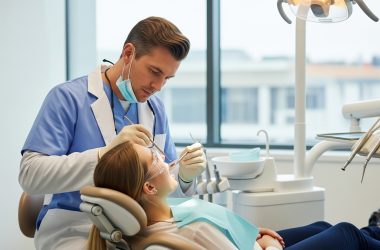
After arrival, the dentist or oral surgeon performs an in-person assessment. A consultation with a dentist should confirm the condition of the teeth, gums, bite, and jawbone.
A 3D dental scan may be used to assess bone volume, important anatomical structures, and possible implant positions.
The treatment plan, implant placement, prosthetic design, and expected timeline should be confirmed before surgery.
3. Tooth Extractions, If Needed
If damaged teeth remain, they may need to be removed before implant placement. In some cases, surgical tooth extraction and implant placement may be performed during the same treatment stage.
Whether this is possible should be confirmed after examination and imaging.
4. Implant Placement
Four implants are placed in the jaw to support a full arch of teeth. The back implants may be angled to make better use of available bone.
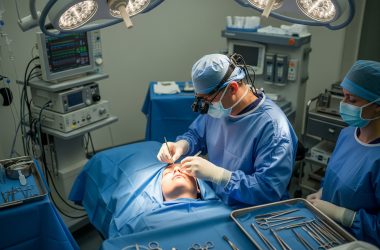
The procedure is usually performed under local anesthesia, with sedation options varying according to the patient, provider, and treatment plan. Patients should confirm anesthesia details, safety checks, and recovery instructions before surgery.
5. Temporary Teeth
Many All-on-4 treatment plans include temporary fixed teeth after surgery. These are not usually the final teeth. They are designed for the healing period and commonly require a softer diet.
6. Healing Period
The implants need time to integrate with the jawbone. This process is commonly called osseointegration and often takes around 3–6 months.
7. Final Prosthesis
After healing, the temporary teeth are replaced with the final prosthesis. This may require a second visit to Turkey.
Patients should confirm whether the final teeth are included in the original quote, what material will be used, and how many appointments are required.
How Long Should Patients Stay in Turkey?
Many patients stay around 1-2 days for the first All-on-4 visit. This may include consultation, imaging, surgery, temporary teeth, and post-surgery checks.
A second visit is often needed after the healing period for the final prosthesis.
| Stage | Approximate Timeline |
| First visit for surgery and temporary teeth | 1 – 2 days |
| Healing period | 3 months |
| Second visit for final teeth | 5 – 10 days |
| Full treatment timeline | Around 3 – 6 months |
Some providers may advertise “teeth in a day.” This usually refers to temporary teeth rather than the final prosthesis. Patients should ask clearly whether the same-day teeth are temporary or final.
Recovery After All-on-4 Dental Implants
Recovery varies by patient, but swelling, soreness, bruising, and minor bleeding can occur after implant surgery.
A general All-on-4 recovery timeline may look like this:
| Time After Surgery | What Patients May Experience |
| First 24–48 hours | Swelling, tenderness, minor bleeding, and rest |
| First week | Soft diet, careful cleaning, and follow-up check |
| 2–6 weeks | Gradual improvement and continued care around the implants |
| 3–6 months | Implant integration and healing |
| After healing | Final prosthesis planning and placement |
Discomfort after implant treatment is often most noticeable during the early recovery period. Patients should follow the instructions given by their treating dental team.
This article provides general information and is not medical advice.
Eating After All-on-4 Treatment
During healing, patients are usually advised to avoid hard or sticky foods and follow a soft-food diet. Temporary teeth are not designed for heavy chewing.
Patients should ask for written instructions covering:
- What to eat during the first week
- How long to follow a soft diet
- When chewing pressure can gradually increase
- How to clean around the implants
- Which symptoms should be reported
- Whether a night guard may be needed
Ignoring dietary and aftercare instructions can increase the risk of complications.
Possible Risks and Complications
All-on-4 is a surgical procedure, so patients should understand the possible risks before treatment.
Possible risks may include:
- Pain or swelling
- Bleeding or bruising
- Infection
- Implant failure
- Nerve-related symptoms
- Sinus-related complications in the upper jaw
- Prosthesis fracture or looseness
- Bite problems
- Need for additional treatment
A future guide to dental implant failure could explain possible causes, warning signs, follow-up questions, and how repair options may differ according to the problem.
Smoking can also affect healing. Public dental guidance notes that tobacco use may slow healing following implant surgery.
A reliable provider should explain risks clearly and should not guarantee a successful outcome.
Who Should Think Carefully Before Travelling?
All-on-4 treatment abroad may not be suitable for every patient. It may be better to seek local dental or medical evaluation first if:
- There is an uncontrolled medical condition that may affect healing
- The patient smokes heavily and cannot stop before or after surgery
- There is an active gum infection or untreated oral disease
- The patient has complex bone loss
- The patient cannot return for the final prosthesis
- Follow-up care at home is unclear
- The quote does not clearly include the final teeth
- The provider promises guaranteed results
Patients should discuss their individual circumstances with a licensed dentist or doctor before making treatment or travel decisions.
What Should Be Included in the Quote?
Before agreeing to treatment, patients should check whether the quote includes:
- Consultation
- 3D imaging
- Tooth extractions
- Four implants per jaw
- Abutments and implant components
- Temporary fixed teeth
- Final prosthesis
- Medication
- Follow-up appointments
- Hotel accommodation
- Airport transfer
- Translation support
- Implant passport or documentation
- Warranty terms, if offered
The final prosthesis is especially important. Some low-cost packages may include temporary teeth only, with the final teeth charged separately.
Questions to Ask Before Choosing a Provider
Before choosing where to have All-on-4 dental implants in Turkey, patients should ask:
- Is the provider authorized for international health tourism?
- Who will perform the implant surgery?
- What imaging will be used before surgery?
- Which implant brand will be used?
- Are temporary teeth included?
- Are final teeth included?
- What material will the final prosthesis be made from?
- Is a second visit required?
- What happens if an implant fails?
- Are hotel accommodation, transfer, and translation included?
- How will follow-up work after returning home?
- What documents will be provided after treatment?
Turkey requires healthcare facilities and intermediary organizations serving international patients to hold an International Health Tourism Authorization Certificate.
Final Thoughts
All-on-4 dental implants in Turkey can be a practical option for patients looking for full-arch tooth replacement at lower average costs. However, patients should look beyond the starting price and understand the complete treatment plan, healing timeline, final prosthesis cost, possible risks, and follow-up needs.
MedicaRoute can be useful when comparing itemized All-on-4 quotes and checking what is included before travelling. The goal should be to understand the complete treatment plan clearly, rather than simply choosing the lowest advertised price.