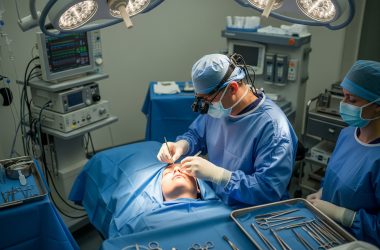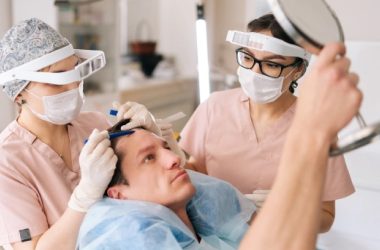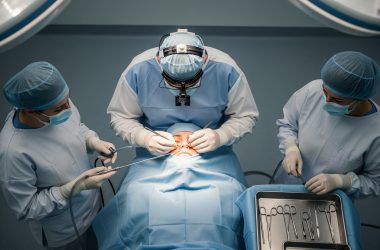
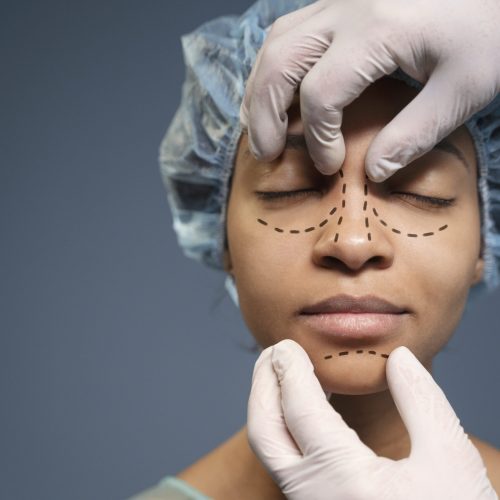

Rhinoplasty surgery can change the size, shape, or structure of the nose. It may be performed for cosmetic reasons, breathing-related concerns, or a combination of both.
For international patients, planning involves more than selecting a procedure. Surgeon qualifications, realistic expectations, travel timing, recovery, total costs, and follow-up arrangements should all be reviewed before booking.
What Can Rhinoplasty Change?
Rhinoplasty may involve changes to:
- The bridge of the nose
- The nasal tip
- The nostrils
- Nasal width or projection
- Bone and cartilage structure
- Visible asymmetry
- Breathing-related structural problems
- The results of previous surgery
For example, nasal hump removal may be one part of a wider treatment plan rather than a separate cosmetic decision.
When nasal appearance and breathing function are addressed during the same operation, septorhinoplasty may be discussed. A patient whose main concern is a deviated septum may instead be evaluated for septoplasty.
Rhinoplasty may alter bone, cartilage, or both. It is considered a complex operation, and results cannot be guaranteed.
Cosmetic and Functional Rhinoplasty
Cosmetic rhinoplasty focuses mainly on the visible appearance of the nose. Common concerns include:
- A prominent bridge or hump
- A wide or narrow nose
- An enlarged, drooping, or upturned tip
- Wide nostrils
- Nasal asymmetry
- The relationship between the nose and other facial features
Functional rhinoplasty addresses structures that may contribute to breathing difficulties. In some cases, cosmetic and functional changes are planned together.
Patients with breathing concerns may require examination by an ear, nose, and throat specialist. A consultation with an otolaryngologist may help determine whether the concern is related to the septum, nasal valves, turbinates, previous trauma, or another condition.
The aim should not be to copy another person’s nose exactly. A realistic plan considers facial proportions, skin thickness, existing anatomy, breathing function, and the limits of surgery.
Primary and Revision Rhinoplasty
Primary rhinoplasty refers to the first surgical operation performed on the nose.
Revision rhinoplasty is performed after previous nasal surgery. It may address cosmetic concerns, breathing problems, scar tissue, asymmetry, or structural weakness.
Revision procedures can be more complex because the original anatomy has already been altered. Scar tissue may be present, and additional cartilage may sometimes be required for structural support.
Patients who have already had surgery should provide:
- The date of the previous procedure
- Previous operation notes, if available
- Before-and-after photographs
- Details of breathing changes
- Information about previous complications
- A clear explanation of current concerns
A future guide comparing primary vs revision rhinoplasty could help patients understand why the second procedure may require different planning, costs, and recovery expectations.
Open vs Closed Rhinoplasty
Open and closed rhinoplasty describe how the surgeon accesses the nasal structures. For a detailed comparison of incision placement, surgical visibility, scarring, and recovery, read our Open vs Closed Rhinoplasty guide.
During open rhinoplasty, a small incision is made across the tissue between the nostrils. This provides more direct access to the underlying bone and cartilage.
During closed rhinoplasty, the incisions are made inside the nostrils. This approach does not create an external incision, but it may not be suitable for every case.
| Feature | Open Rhinoplasty | Closed Rhinoplasty |
|---|---|---|
| Incisions | Inside the nose and between the nostrils | Inside the nose |
| External scar | A small scar may be present | No external incision |
| Surgical access | More direct visibility | More limited access |
| Common use | Complex restructuring, tip work, revision cases | Selected cases requiring less extensive access |
| Swelling | May last longer around the tip | May be lower in some selected cases |
Neither approach is automatically better. The technique should be selected according to the planned changes, nasal anatomy, previous surgery, and the surgeon’s assessment. The NHS confirms that rhinoplasty may be performed through an incision between the nostrils or through incisions inside the nostrils.
Consultation Before Travelling
Before making travel arrangements, patients should have a detailed review of their goals, medical history, photographs, and previous procedures.
A plastic surgery consultation should cover:
- The main cosmetic or breathing concern
- Whether the expected result is realistic
- The recommended surgical approach
- Previous nasal surgery or trauma
- Existing medical conditions
- Regular medication and supplements
- Allergies
- Smoking or nicotine use
- Expected recovery and follow-up
- The possibility of revision surgery
An online photo review can provide preliminary information, but it does not replace an in-person examination. The final surgical plan may change after the nose, breathing function, skin, cartilage, and facial proportions are assessed directly.
Patients researching surgery abroad may also benefit from a future guide on how to choose a rhinoplasty surgeon abroad, covering qualifications, experience, before-and-after photographs, complication policies, and follow-up arrangements.
What Happens During Rhinoplasty?
The exact procedure varies according to the patient’s anatomy and treatment goals.
Rhinoplasty may involve:
- Reshaping nasal bone
- Removing or adjusting cartilage
- Changing the nasal tip
- Narrowing or changing the nostrils
- Correcting a deviated septum
- Adding cartilage for support
- Correcting structural changes from previous surgery
The operation is commonly performed under general anesthesia. The NHS states that rhinoplasty may take approximately 1.5 to 3 hours, although the actual duration varies according to the operation.
After surgery, a splint or dressing may be placed on the outside of the nose. Internal splints or packing may also be used in some cases.
How Long Should International Patients Stay?
Many international patients plan approximately 7–10 days in the destination country. This often allows time for:
- The in-person consultation
- Pre-operative checks
- Surgery
- Early recovery
- One or more follow-up appointments
- Splint assessment or removal
- Medical clearance before travelling home
The exact stay should be confirmed before flights are booked. The NHS notes that an external splint is commonly kept in place for about seven days and that stitches or the splint may be removed after approximately one week.
A future article on how long to stay in Turkey after rhinoplasty could explain typical appointment schedules, flight planning, accommodation, and reasons a patient may need to stay longer.
Patients should avoid booking a return flight immediately after surgery or leaving before the planned early follow-up.
Rhinoplasty Recovery Timeline
Early recovery and final healing are different stages.
| Time After Surgery | General Expectations |
|---|---|
| First 1–3 days | Swelling, congestion, bruising, tenderness, and rest |
| Around 1 week | Splint assessment or removal and early follow-up |
| 1–2 weeks | Many patients resume light daily activities |
| 3–6 weeks | Gradual return to more demanding activities when medically cleared |
| Several months | Swelling continues to reduce |
| Up to 12 months or longer | The nasal shape continues to refine |
Patients may experience nasal congestion, swelling, bruising around the eyes, temporary numbness, and light bleeding during early recovery. The NHS states that patients may need up to two weeks away from work, while final swelling can take several months to resolve. The American Society of Plastic Surgeons notes that the nasal contour may continue refining for up to a year.
A detailed rhinoplasty recovery timeline could later be linked from this section to explain activity restrictions, swelling stages, follow-up appointments, and the difference between early appearance and the final result.
Patients should follow the instructions supplied by their treating surgical team. This article provides general information and is not medical advice.
Travelling Home After Surgery
Before returning home, patients should know:
- When they are expected to fly
- Whether the splint must be removed before departure
- Whether stitches need removal
- Which symptoms require urgent assessment
- Who to contact after returning home
- How photographs or follow-up results will be reviewed
- Whether local medical follow-up is recommended
- How medical records will be provided
Patients should keep copies of their:
- Surgery report
- Anesthesia record
- Medication list
- Discharge instructions
- Emergency contact details
- Follow-up schedule
The treating team should give individual guidance on travel timing. Patients should not assume that every person can fly on the same day after surgery.
What Should Be Included in the Quote?
An itemized quote should explain the full expected cost rather than showing only the surgeon’s fee.
Patients should ask whether the price includes:
- Pre-operative consultation
- Medical tests
- Surgeon’s fee
- Hospital or operating facility fees
- Anesthesia
- Medication
- Overnight stay, if required
- Nasal splints or dressings
- Follow-up appointments
- Hotel accommodation
- Airport and facility transfers
- Translation or coordination
- Treatment for unexpected complications
- Revision policy
Patients should also ask what happens financially if surgery is postponed or cancelled after the in-person examination.
What Additional Medical Costs May Arise After Assessment?
A preliminary rhinoplasty quote may change after the surgeon examines the nose, breathing function, previous surgery, medical history, and available imaging.
Possible additional medical costs may include:
| Possible Additional Medical Cost | Why It May Be Required |
| Nasal endoscopy | To examine internal nasal structures and possible causes of obstruction |
| CT imaging or additional diagnostic tests | When trauma, sinus problems, previous surgery, or complex anatomy requires further assessment |
| Septoplasty | When a deviated septum also needs to be corrected |
| Turbinate treatment | When enlarged internal nasal tissues contribute to breathing problems |
| Cartilage grafting | When additional structural support is needed |
| Ear or rib cartilage harvesting | When suitable septal cartilage is unavailable, particularly in revision or complex surgery |
| Additional anesthesia or specialist assessment | When the patient’s medical history requires further clearance |
| Extended medical observation | When same-day discharge or the originally planned hospital stay is no longer considered appropriate |
| Treatment before surgery | When infection, inflammation, or another condition must be managed before rhinoplasty can proceed |
Patients should ask whether functional nasal procedures, cartilage grafting, diagnostic tests, and additional hospital care are included in the quote or charged separately.
Septoplasty may be combined with rhinoplasty when internal nasal structure contributes to obstruction, and cartilage may need to be removed, reshaped, or added during septorhinoplasty.
Possible Risks and Limitations
Rhinoplasty is surgery and carries possible risks.
These may include:
- Bleeding
- Infection
- Anesthesia-related complications
- Breathing difficulties
- Changes in skin sensation
- Poor wound healing
- Visible or internal scarring
- Nasal septal perforation
- Persistent swelling
- Asymmetry
- Unsatisfactory appearance
- Need for further surgery
The American Society of Plastic Surgeons lists infection, breathing difficulty, altered sensation, poor healing, septal perforation, swelling, dissatisfaction with appearance, and possible revision surgery among the recognized risks.
A separate future article on rhinoplasty risks and revision planning could help patients understand what questions to ask about complications, corrective procedures, and long-term follow-up.
No provider should promise a perfect nose, complete symmetry, or a guaranteed outcome.
Who Should Think Carefully Before Travelling?
Rhinoplasty abroad may not be suitable for every patient. Additional local assessment may be needed when:
- There is an unstable medical condition
- Breathing problems require urgent investigation
- The patient cannot remain for early follow-up
- Local follow-up cannot be arranged
- Expectations are unrealistic
- The patient feels pressured to make a quick decision
- The treatment plan changes repeatedly without explanation
- The total quote is unclear
- The provider guarantees a specific result
- The patient is considering surgery mainly because of outside pressure
Patients should discuss their individual medical circumstances with licensed professionals before making surgical or travel decisions.
Authorization for International Patients in Turkey
Patients travelling to Turkey should verify whether the healthcare facility and any intermediary organization involved are authorized to serve international patients.
Türkiye requires healthcare facilities and intermediary organizations offering international medical tourism services to hold an International Health Tourism Authorization Certificate.
Authorization does not guarantee the surgical result. It is an important administrative check that should be considered alongside surgeon qualifications, informed consent, hospital standards, communication, and follow-up planning.
Questions to Ask Before Booking
International patients should ask:
- Who will perform the surgery?
- What qualifications and rhinoplasty experience does the surgeon have?
- Is the facility authorized for international health tourism?
- Is the procedure cosmetic, functional, or both?
- Will an open or closed approach be used?
- Why is that approach recommended?
- How will breathing function be evaluated?
- What is included in the total quote?
- How long should I remain in the country?
- When will the splint be removed?
- How will follow-up work after I return home?
- What happens if I develop a complication?
- What is the revision policy?
- Which medical documents will I receive?
Clear, detailed answers are more useful than promotional package descriptions.
Final Thoughts
Rhinoplasty can affect both appearance and breathing, so international patients should consider more than price or before-and-after photographs.
The treatment plan should explain the surgical approach, realistic goals, recovery period, possible risks, total cost, travel schedule, and follow-up arrangements.
MedicaRoute can help patients compare itemized rhinoplasty plans and understand what is included before travelling. The aim should be to make an informed decision after proper medical evaluation, without feeling pressured to proceed.