

Gynecomastia is the enlargement of male breast tissue and can affect one or both sides of the chest. For some men, the condition causes physical discomfort; for others, the main concern is the appearance of the chest and how it affects clothing, exercise or confidence.
When enlarged glandular tissue does not resolve and surgery is appropriate, gynecomastia surgery can reduce excess tissue and create a flatter, more defined chest contour.
For international patients considering gynecomastia surgery in Turkey, understanding the surgical technique, expected cost, recovery period and travel requirements is important before choosing a treatment plan.
How Much Does Gynecomastia Surgery Cost in Turkey?
MedicaRoute currently lists an indicative average cost of approximately €1,500–€3,000 for gynecomastia surgery in Turkey.
The final price can vary because not every patient requires the same operation. Some cases may be treated mainly with liposuction, while others require glandular tissue removal or a combination of techniques. More extensive surgery may also involve removal of excess skin.
Other factors that can influence the quotation include:
- the amount and type of tissue being removed;
- whether liposuction and surgical excision are combined;
- anaesthesia and operating facility fees;
- preoperative examinations;
- compression garments;
- postoperative medication and follow-up;
- accommodation or transfer services included in the treatment package.
An advertised starting price therefore does not always represent the complete cost of treatment.
Before travelling, patients should request a written and personalised quotation showing exactly which procedure is recommended and what the package includes.
What Does Gynecomastia Surgery Treat?
Gynecomastia surgery is designed to reduce excess tissue in the male chest.
The enlargement can involve glandular breast tissue, fatty tissue or a combination of both. This distinction matters because the most appropriate surgical technique depends on what is creating the chest fullness.
Chest enlargement caused primarily by excess body fat is not necessarily the same as true gynecomastia. Weight changes, medications, hormonal factors and certain medical conditions can also contribute to breast enlargement.
For this reason, the first step should be determining what type of tissue is present and whether surgery is appropriate rather than assuming that every enlarged male chest requires the same procedure. For a closer look at how these conditions differ, read our Gynecomastia vs Chest Fat guide.
How Is Gynecomastia Surgery Performed?
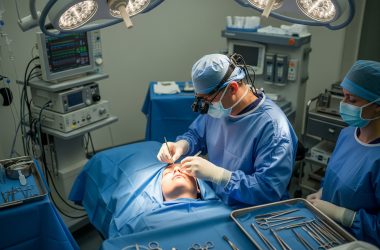
The operation is usually performed under anaesthesia. MedicaRoute currently lists a typical procedure time of approximately one to two hours, although more complex cases may take longer.
There are three main surgical approaches.
Liposuction may be used when excess fatty tissue is a significant part of the chest enlargement. Through small incisions, a thin tube called a cannula is used to remove fat and reshape the chest. Patients interested in how this technique works more generally can also read about liposuction.
Excision is used when firm glandular tissue needs to be removed directly. The incision is often positioned around part of the areola, although the exact location depends on the amount of tissue and the surgical plan.
Many patients require a combination of liposuction and excision. Liposuction improves the fatty component and overall contour, while excision allows the surgeon to remove glandular tissue that cannot be adequately treated with liposuction alone.
In more extensive cases with significant loose skin, additional skin removal may also be necessary.
Will Gynecomastia Surgery Leave Scars?
Some degree of scarring is unavoidable whenever an incision is made.
With liposuction, the incisions are generally small. When glandular tissue is removed, an incision may be placed along the edge of the areola to make the scar less noticeable as it matures.
Larger reductions can require longer incisions, particularly when loose skin also needs to be removed.
Scars usually change considerably during the months following surgery. They may initially appear pink or more visible before gradually becoming flatter and less noticeable.
The final appearance depends on the surgical technique, the extent of tissue removal and individual healing.
What Happens Before Surgery?
Before the procedure, the surgeon should assess the chest and discuss the patient’s medical history, medications, previous surgery and expectations.
The consultation also helps determine whether the enlargement is mainly glandular, fatty or mixed and whether additional investigation may be appropriate before cosmetic surgery.
Patients should be clear about the proposed technique before treatment. Useful questions include whether the procedure will involve liposuction, glandular excision, skin removal or a combination of these approaches.
For international patients, these details should ideally be discussed before flights are booked. A personalised treatment quote can provide a clearer overview of the proposed procedure, expected stay and package inclusions.
What Is Recovery After Gynecomastia Surgery Like?
Swelling, bruising, tenderness and tightness around the chest are common during early recovery.
A compression garment is often used after surgery to support the chest and help control swelling while the tissues heal. Some patients may also have temporary drains depending on the extent of surgery and the surgeon’s technique.
MedicaRoute currently lists approximately three to seven days before returning to work and two to six weeks for fuller recovery as general planning ranges. These are not fixed deadlines.
Desk-based work may be possible sooner than strenuous physical work. Heavy lifting, upper-body training and intense exercise generally need to wait until healing has progressed sufficiently and the surgeon has approved the activity.
The chest also continues changing after normal daily activities resume. Residual swelling may take longer to settle, and MedicaRoute lists approximately three to six months as a general timeframe for the final result to become established. For a more detailed breakdown of swelling, compression garment use, and returning to exercise, see our Gynecomastia Recovery Timeline guide.
How Long Should You Stay in Turkey?
MedicaRoute currently gives approximately three to seven days as a typical stay in Turkey for gynecomastia surgery.
The appropriate length of stay depends on the procedure, early healing and the postoperative schedule.
International patients should leave enough time for the initial recovery period and a postoperative examination before flying home rather than choosing a return flight based only on the minimum advertised stay.
If drains have been used, the timing of their removal may also influence travel planning.
Patients should confirm their expected follow-up schedule before booking flights and know how postoperative communication will continue after returning home.
What Are the Possible Risks?
Like any surgical procedure, gynecomastia surgery has potential complications.
These can include bleeding, infection, fluid accumulation, changes in nipple sensation, asymmetry, contour irregularities, visible scarring, poor wound healing and anaesthesia-related complications. Occasionally, revision surgery may be necessary.
Temporary numbness or altered sensation around the chest or nipple can also occur during healing.
Patients should contact their medical team if they develop unexpected symptoms such as rapidly increasing swelling, severe or worsening pain, significant bleeding, breathing difficulty or signs of infection.
Following postoperative instructions and attending scheduled follow-up examinations are important parts of reducing avoidable recovery problems.
Is Gynecomastia Surgery Permanent?
Removed glandular tissue and fat do not simply regenerate in the same way after surgery, so results can be long-lasting.
However, surgery does not prevent every future change in the chest.
Significant weight gain can increase fatty tissue, while medications, anabolic steroids, hormonal changes or medical conditions may contribute to recurrent enlargement in some patients.
Maintaining a stable weight and addressing any underlying cause identified before surgery can help protect the result.
The final chest contour also develops gradually, so patients should avoid judging the outcome during the early swollen stage of recovery.
Final Thoughts
Gynecomastia surgery in Turkey can involve liposuction, glandular tissue excision or a combination of both techniques. The correct approach depends on what is causing the chest enlargement and how much tissue or loose skin needs to be treated.
MedicaRoute currently lists an indicative cost of approximately €1,500–€3,000, but the final quotation should reflect the actual surgical technique and everything included in the treatment package.
For international patients, treatment planning should cover more than the operation itself. Understanding the procedure, expected scars, compression garment use, postoperative appointments and the recommended stay in Turkey makes it easier to plan both surgery and travel realistically.
The most useful quotation is therefore not simply the lowest price. It is a treatment plan that clearly explains what will be done, what is included and how recovery and follow-up will be managed after surgery.