
When planning dental implant treatment abroad, patients usually focus on the dentist, implant brand, price, and final teeth.
There is another detail that can become very important years later: knowing exactly which implant system was placed.
A dental implant may remain in the jaw for many years, while the crown, bridge, abutment, or screw attached to it may eventually need maintenance or replacement. If that happens after you have returned home, your new dentist needs to know which implant and components they are working with.
That is why an implant passport, implant card, or detailed implant record should not be treated as an unimportant piece of paperwork.
What Is a Dental Implant Passport?
A dental implant passport is a record that identifies the implant system placed in your mouth.
Different manufacturers use different names. It may be called an implant passport, patient implant card, medical device card, or implant identification record.
For example, Straumann provides an Implant Passport designed to record implant information and tooth position. Nobel Biocare also states that its implantable devices are supplied with a Patient Medical Device Card that should be completed with patient- and device-specific information.
The exact document may differ, but the purpose is similar: helping you and future dental professionals identify what has been placed.
What Information Should You Receive?
You do not need pages of technical information, but the record should make the implant identifiable.
Useful information can include:
- implant manufacturer;
- exact implant system or model;
- implant diameter and length;
- lot or serial information where applicable;
- position of each implant;
- date of placement;
- relevant abutment or prosthetic information.
European implant-card guidance provides a useful example of the type of traceability information used for implantable medical devices, including the device name, serial or lot number, UDI, manufacturer, and device type.
The FDA also specifically recommends asking your dental provider what brand and model of implant system is being used and keeping that information in your records.
For an international patient, this information is particularly useful because the dentist who maintains the implant later may not be the dentist who originally placed it.
Why Do Replacement Parts Matter?
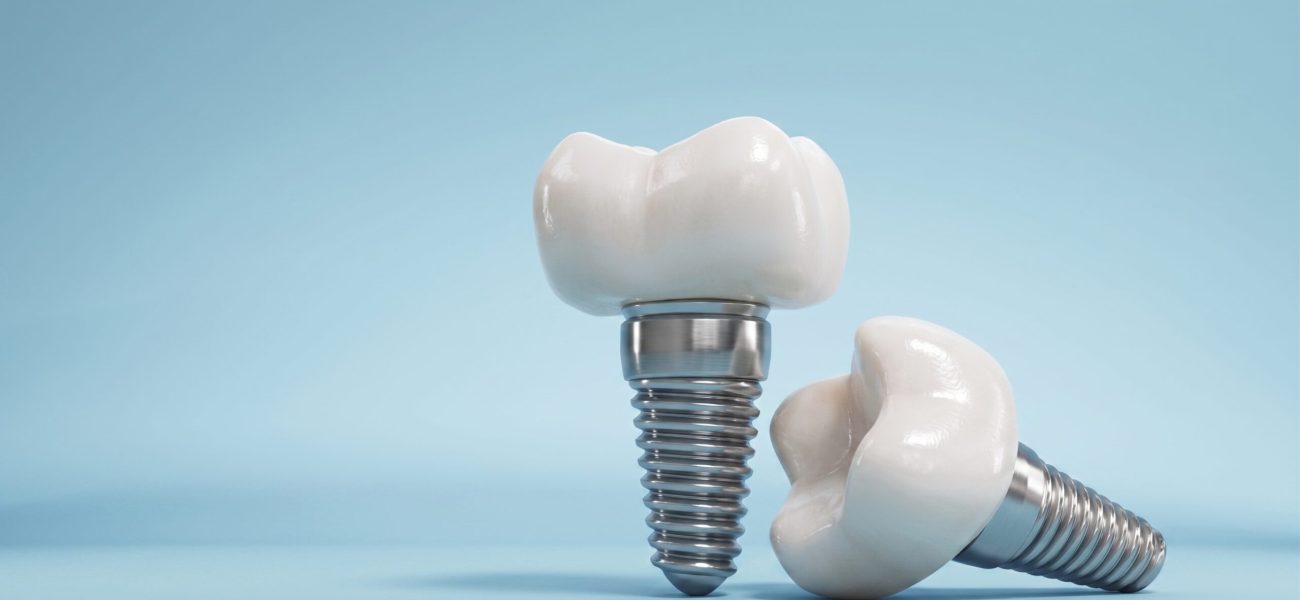
A dental implant is not one single piece.
A typical system includes the implant body inside the jaw and an abutment above it. It may also include an abutment screw, while a crown, bridge, or denture is attached to complete the restoration.
That means the implant itself may remain healthy while another component needs attention.
For example:
- a crown may need replacement;
- a prosthetic screw may loosen;
- an abutment may need to be changed;
- a bridge may need repair;
- a full-arch restoration may need servicing.
This is why long-term access to the correct components matters.
If you have an implant with a crown, replacing the visible crown years later may still require the dentist to understand the implant connection underneath it.
Are Dental Implant Parts Universal?
No.
Dental implants from different manufacturers can use different platform sizes, connection designs, screws, abutments, and restorative components.
Even implants from the same manufacturer may belong to different systems.
Nobel Biocare’s own instructions, for example, specify that different screws are used according to the dental implant platform and connection type, and that the appropriate screw must correspond to the relevant platform.
This is why knowing only that you “have a titanium implant” is not enough.
Even knowing the manufacturer may not always be sufficient. A dentist may also need to know the specific implant family and connection.
Why Is This More Important After Treatment Abroad?
If you receive treatment close to home, returning to the original dental practice may be relatively simple.
With dental tourism, the situation is different.
You may have your implants placed in Turkey and return to another country for long-term dental care. Years later, the original clinic may be difficult to contact, your dentist may have changed, or your records may no longer be immediately available.
A new dentist then has to determine what system is already in your mouth before ordering components or modifying the restoration.
This is one reason patients considering dental implants in Turkey should think about long-term maintenance before travelling, not only the initial procedure.
Taking complete records home creates continuity between your treatment abroad and future dental care in your own country.
Does Implant Brand Affect Replacement-Part Availability?
It can.
Established implant manufacturers often maintain large prosthetic systems and distribution networks, while availability can vary between brands and countries.
Straumann, for example, states that its Classic service maintains prosthetic-component availability for Straumann implants dating back to 1974. Its patient Implant Passport also emphasizes keeping implant information available for future follow-up.
This does not mean that a more expensive or better-known implant brand is automatically the right choice.
It does mean that long-term serviceability is a reasonable factor to consider alongside implant design, clinical evidence, dentist experience, and price. For a more detailed explanation of how implant brands differ in clinical evidence, design, and long-term maintenance, read our Does Dental Implant Brand Matter? guide.
If you are comparing Straumann, Nobel implants, Medigma, or another system, ask whether compatible components are commonly available in the country where you normally receive dental care.
What Happens If You Do Not Know Which Implant You Have?
A dentist may sometimes be able to identify an implant from X-rays, clinical examination, previous records, or distinctive design features.
But this can take additional time and may not always produce an immediate answer.
Two implants can look similar on an X-ray while using different connections or restorative parts.
Instead of relying on identification years later, it is much easier to leave treatment with the correct information from the beginning.
The FDA’s recommendation to keep the brand and model of the implant system in your records reflects exactly this practical issue.
What Documents Should You Take Home?
The implant passport is useful, but it should not be the only record you keep.
After treatment abroad, it is sensible to request:
- your implant passport or implant card;
- the manufacturer and exact implant system;
- implant positions, sizes, and identifying labels where available;
- relevant X-rays or scans;
- information about the final crown, bridge, or full-arch restoration;
- treatment and follow-up instructions.
Keep digital copies as well.
A paper document can easily be lost over several years, especially after moving home, changing dentist, or travelling between countries.
Is an Implant Passport the Same as a Warranty?
No.
An implant passport identifies what has been placed.
A warranty explains what the manufacturer or treatment provider may cover if a particular product or restoration develops a problem.
The two documents can be connected, but they serve different purposes.
For example, Straumann’s passport discusses implant identification alongside its guarantee arrangements, but the passport itself is still an implant record rather than simply a warranty certificate.
Patients should therefore ask separately about:
- implant identification documentation;
- manufacturer warranty terms;
- any clinic-specific guarantee or revision policy.
If a clinic says that an implant has a “lifetime warranty,” ask exactly what that warranty covers. The implant fixture, abutment, crown, laboratory work, treatment costs, and travel expenses should not be assumed to have identical coverage.
This is also something worth checking when reviewing what your treatment quote includes.
What If You Already Have Implants but No Passport?
Do not wait until a crown becomes loose or another problem appears.
Contact the clinic that performed the treatment and ask for your implant records.
At minimum, try to obtain the manufacturer, exact implant system, implant dimensions, positions, and any available identifying labels or reference information.
If the clinic still has your records, getting this information now will usually be much easier than trying to reconstruct it several years later.
Save the information digitally once you receive it.
What Should You Ask Before Booking Implant Treatment Abroad?
You do not need to turn the consultation into a technical interview.
A few simple questions are enough:
- Which exact implant system will you use?
- Will I receive an implant passport or patient implant card?
- Will the implant model and size be documented?
- Are replacement components available in my home country?
- What records will I receive before I leave?
- Who can another dentist contact if they need information later?
These questions are especially important when several implants or a full-arch restoration are planned.
When requesting a treatment plan and quote, it is worth confirming the implant brand and documentation before comparing offers solely on price.
Do You Need to Choose the Most Famous Implant Brand?
Not necessarily.
A recognizable international brand can make future identification and component sourcing easier, but implant brand is only one part of successful treatment.
The dentist’s diagnosis, surgical planning, implant position, prosthetic design, oral hygiene, and long-term maintenance remain important.
What matters is that the implant system is appropriate for your case and that you know exactly what has been placed.
A good treatment decision considers both today and several years from now.
Dental Implant Passports: The Bottom Line
A dental implant passport may seem like a minor detail when you are focused on surgery and your new teeth.
Its value often becomes clearer later.
Dental implants are part of a multi-component system, and crowns, bridges, abutments, and screws may require maintenance during the life of the implant. Different implant systems use different connections and components, so future dentists benefit from knowing the exact system they are treating.
For patients having treatment abroad, the simplest approach is to take that information home from the beginning.
Before leaving the clinic, make sure you know which implants were placed, where they were placed, and how they can be identified in the future.
A small card or digital record today can make dental care much easier years later.