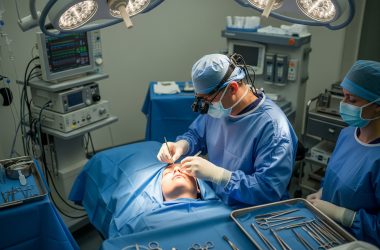
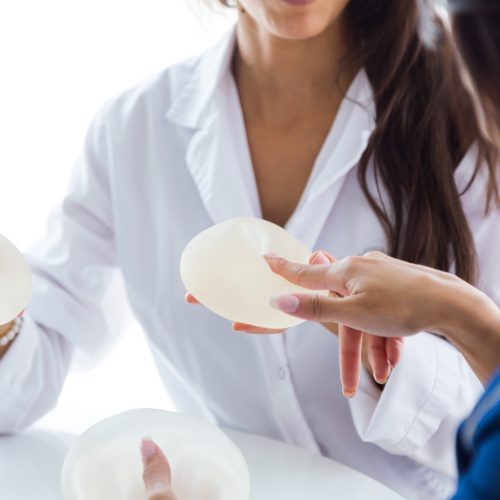

Breast augmentation is a cosmetic surgical procedure used to increase breast volume, improve shape or restore fullness that may have changed after pregnancy, weight loss or ageing. The procedure can be performed with breast implants or, in selected patients, with fat transferred from another area of the body.
For international patients considering breast augmentation in Turkey, the main decisions usually involve implant type, shape, size, placement, total treatment cost and how recovery will fit around travel.
Understanding these choices before surgery makes it easier to compare treatment plans rather than choosing an option based only on implant size or package price.
How Much Does Breast Augmentation Cost in Turkey?
For 2026 planning, implant-based breast augmentation in Turkey commonly falls within approximately €2,500–€5,000. The final quotation can be higher or lower depending on the implant, surgical plan and package contents.
Cost can be affected by:
- implant type and manufacturer;
- round or anatomical implant shape;
- implant placement;
- hospital and anaesthesia fees;
- whether a breast lift or another procedure is added;
- preoperative testing;
- postoperative garments and medications;
- accommodation and transfers included in the package.
A lower starting price should therefore not automatically be compared with a more comprehensive quotation.
Patients should ask which exact implants are included, whether the price covers both implants, hospital and anaesthesia fees, how many postoperative checks are planned and whether accommodation or transfers are part of the package.
What Is Breast Augmentation?
Breast augmentation, also called augmentation mammoplasty, increases or restores breast volume.
Implant-based augmentation involves placing an implant either behind the breast tissue or partly or completely behind the chest muscle, depending on the patient’s anatomy and surgical plan.
Another option is fat transfer, where fat is removed from another part of the body using liposuction, processed and injected into the breasts.
Breast augmentation can improve size and fullness, but it does not automatically correct significant breast sagging. Patients with considerable loose skin or downward nipple position may need a breast lift as part of their treatment plan.
Which Breast Augmentation Options Are Available?
The most suitable method depends on the amount of enlargement desired, existing breast tissue, skin quality, chest dimensions and personal preference.
| Option | Main characteristics |
|---|---|
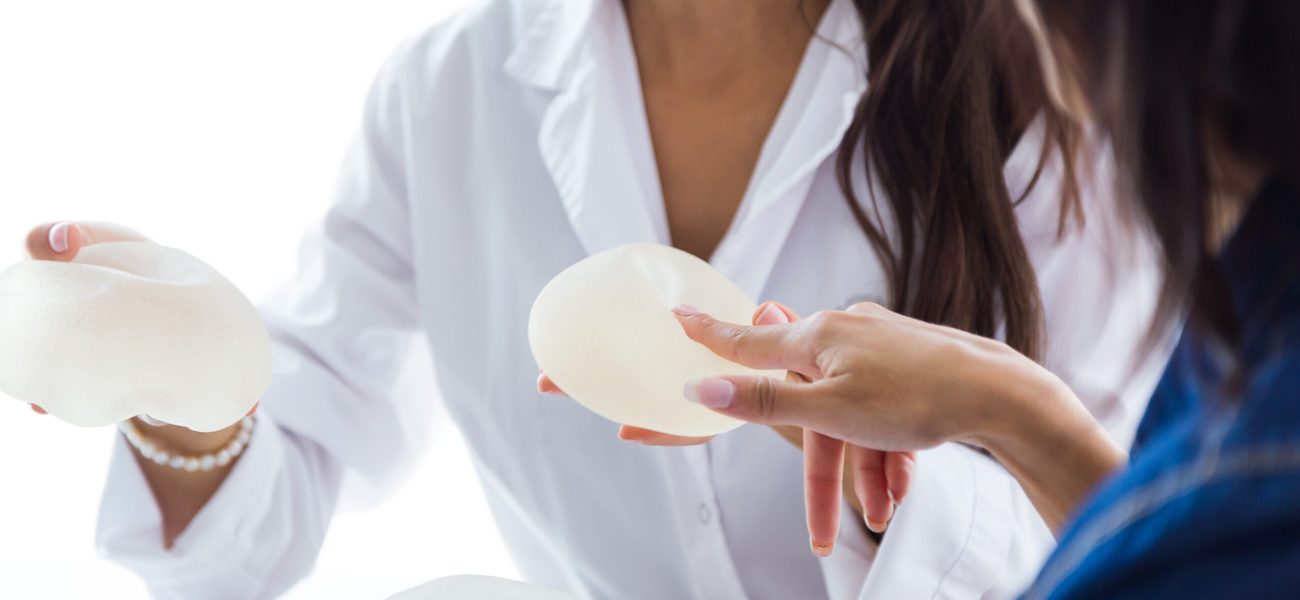
| Round Breast Implants | Symmetrical shape with different sizes and profiles; can provide more upper-breast fullness depending on implant selection and placement |
| Teardrop Breast Implants | Anatomically shaped with more volume toward the lower part of the implant; positioning and rotation are important considerations |
| Breast Augmentation with Fat Transfer | Uses the patient’s own fat and is generally considered when a more modest volume increase is desired |
Round implants are not automatically less natural-looking, and teardrop implants are not automatically the best option for every patient. The final appearance depends on several factors, including implant dimensions, profile, placement, existing breast tissue and chest anatomy.
The differences between round and teardrop implants are broad enough to deserve a separate comparison rather than choosing an implant based only on its name or shape.
How Are Implant Size and Shape Chosen?
Choosing breast implants is not simply a matter of selecting a cup size.
The surgeon may consider breast width, chest dimensions, existing breast volume, skin elasticity, nipple position and how much projection the patient wants.
Implants are available in different volumes and profiles. Two implants with the same volume can produce different results depending on their width and projection.
This is why choosing the largest implant that fits is not necessarily the best approach. Implant dimensions should work with the patient’s anatomy and the amount of tissue available to cover the implant.
Patients should discuss the type of result they want rather than relying only on a specific implant volume.
How Is Breast Augmentation Surgery Performed?
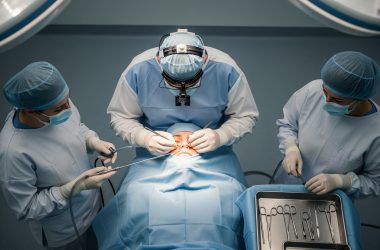
Breast augmentation is usually performed under general anaesthesia and commonly takes around one to two hours when performed as an isolated procedure.
An incision is made to create a pocket for the implant. Common incision locations include the fold beneath the breast, around part of the areola or, in selected cases, the armpit.
The implant may then be positioned:
- above the chest muscle;
- below the chest muscle; or
- using a dual-plane approach that combines characteristics of both positions.
There is no single placement that is best for everyone. The appropriate option depends on the implant, breast tissue, chest anatomy and surgical goals.
After the implants are positioned and symmetry is assessed, the incisions are closed and dressings are applied.
Do You Need a Breast Lift as Well?
Breast augmentation adds volume but does not always correct sagging.
If the breasts have significant skin laxity or the nipples sit lower than the desired position, a breast lift may be recommended instead of augmentation alone or performed together with implants.
This distinction is particularly relevant after pregnancy, breastfeeding, major weight loss or age-related changes.
Trying to correct significant sagging only by choosing a larger implant can create an unsuitable result. The consultation should therefore assess both breast volume and breast position.
What Is Recovery After Breast Augmentation Like?
Swelling, tightness, soreness and temporary changes in sensation are expected during early recovery.
A supportive surgical bra or similar garment may be recommended while the breasts heal and the implants begin settling into position.
Many patients can gradually return to light daily activities within the first week, but strenuous exercise, heavy lifting and intense upper-body activity need to wait longer.
MedicaRoute currently lists approximately three to seven days before returning to work and around two to six weeks for fuller recovery after breast augmentation. Individual recovery varies according to implant placement, surgical technique and the patient’s healing process.
The breasts can initially appear higher, firmer or more swollen than expected. Their position and shape continue changing as swelling decreases and the tissues adapt around the implants.
How Long Should You Stay in Turkey?
MedicaRoute currently lists approximately three to seven days in Turkey after breast augmentation as a general planning range.
International patients should not treat this as an automatic flight date.
The return journey should be planned around postoperative examinations and the surgeon’s assessment of early healing. Patients should know when their final in-person check will take place and what follow-up support will be available after returning home.
A longer stay may be necessary when breast augmentation is combined with another operation or when additional postoperative monitoring is required.
What Are the Risks of Breast Augmentation?
Breast augmentation is a surgical procedure and has potential complications.
These can include infection, bleeding, changes in nipple or breast sensation, asymmetry, implant displacement, visible or palpable implant edges, scarring and capsular contracture, where scar tissue around the implant becomes unusually firm.
Implants can also rupture or change position over time.
Breast implants should not be considered lifetime devices. Some patients may eventually require additional surgery because of complications, implant changes or changing aesthetic preferences.
Certain textured breast implants have also been associated with a rare lymphoma that develops in the tissue around the implant. Implant surface, manufacturer information and known device-specific risks should therefore be discussed as part of informed consent.
Patients should receive information identifying the implants used during their surgery and understand what follow-up or imaging may be recommended in the future.
What Should Your Treatment Quote Include?
A useful breast augmentation quotation should clearly identify:
- the exact procedure;
- implant manufacturer and type;
- implant shape and planned size range;
- hospital and anaesthesia fees;
- preoperative examinations;
- postoperative medications and surgical bra;
- follow-up appointments;
- accommodation and transfers, if included;
- the expected stay in Turkey;
- what costs could change after the in-person examination.
The cheapest quotation is difficult to evaluate if the implant type, hospital costs or postoperative care are unclear.
A detailed treatment plan makes it easier to compare like with like and understand what is actually included before travelling.
Final Thoughts
Breast augmentation in Turkey can be performed with round or anatomical implants or, in selected patients, with fat transfer. The best option depends on breast anatomy, desired volume, skin quality and the type of result the patient wants.
For 2026 planning, implant-based breast augmentation commonly falls around €2,500–€5,000, although the final cost depends strongly on implant choice and package contents.
Implant shape and recovery should also be considered separately from price. Round and teardrop implants have different design characteristics, while implant placement and individual anatomy can influence both the final appearance and recovery experience.
For international patients, a good treatment plan should clearly explain the implants being proposed, surgical technique, total cost, postoperative schedule and recommended travel timeline before surgery is booked.