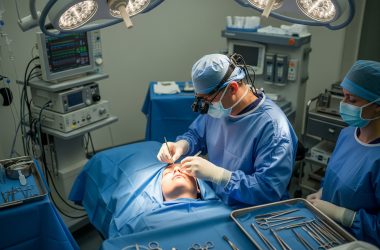


Recovery after cataract surgery is usually relatively quick, but vision does not always become perfectly clear the moment the procedure is finished.
During cataract surgery, the cloudy natural lens is removed and replaced with an artificial intraocular lens. The eye then needs time to settle around the new lens and heal from surgery.
Many patients notice better vision within the first few days, while complete recovery commonly takes around four to six weeks. Mild blurring, watering, irritation, redness, and light sensitivity can all occur during the early recovery period.
For international patients, recovery also affects travel planning. Routine cataract surgery does not usually create a pressure-related restriction on flying, but patients should still consider follow-up appointments and obtain individual advice before leaving the country. For a broader overview of the procedure, available lens options, costs, and treatment planning, read our Cataract Surgery in Turkey guide.
Cataract Surgery Recovery Timeline at a Glance
| Recovery Stage | What You May Notice | Typical Recovery |
| First 24 hours | Blurred vision, watering, mild soreness, light sensitivity | Rest and begin prescribed eye care |
| Days 2–3 | Vision may start becoming clearer | Light normal activities |
| First week | Mild irritation or fluctuating vision may continue | Continue eye drops and protect the eye |
| Weeks 2–4 | Vision becomes more stable for many patients | Gradual return to normal activities |
| Weeks 4–6 | Eye is usually much further through healing | Follow-up and glasses assessment if needed |
These timeframes are general. Recovery can differ according to the patient’s eye health, surgical complexity, lens type, and whether another eye condition is present.
First 24 Hours After Cataract Surgery
Most cataract operations are performed as day procedures, so patients usually leave the hospital or clinic on the same day.
Once the local anaesthetic wears off, the eye may feel:
- slightly sore or achy;
- gritty;
- watery;
- sensitive to light;
- mildly irritated.
Vision can also be blurred immediately after surgery.
This does not necessarily mean the operation has been unsuccessful. One NHS postoperative guide notes that blurred vision commonly begins clearing within the first one or two days.
Some patients leave surgery with an eye shield or dressing. Depending on the surgeon’s instructions, this may be removed the following day, while a protective shield may continue to be worn at night to prevent accidental rubbing during sleep.
Patients should not drive themselves home after surgery.
Days 2–3: When Does Vision Start Improving?
Many patients begin noticing clearer vision during the first few days.
Colours may appear brighter because the cloudy natural lens has been removed. At the same time, vision may still fluctuate as the eye heals.
It is possible to experience temporary:
- blurred vision;
- glare;
- light sensitivity;
- dryness;
- mild double vision;
- a gritty sensation.
The pupil may also remain enlarged for a period after surgery because dilating drops are used during the procedure.
Sunglasses can make bright outdoor conditions more comfortable during this early stage.
First Week: Protecting the Eye While It Heals
Most patients feel increasingly normal during the first week, but the eye is still healing.
The Royal College of Ophthalmologists notes that many people recover quickly and may feel close to normal soon after surgery, even though complete recovery takes considerably longer.
During the early recovery period, patients are generally advised not to rub or press on the operated eye.
Clinics may also temporarily restrict activities that increase the chance of contamination or injury, including swimming, strenuous exercise, and exposure to dusty environments. The exact period varies between postoperative protocols.
Reading and watching television do not normally damage the operated eye and can usually be resumed when comfortable.
Why Do You Need Eye Drops After Cataract Surgery?
Eye drops are an important part of cataract surgery recovery.
After surgery, patients are commonly prescribed drops intended to control inflammation and support healing. The exact medication, frequency, and duration depend on the ophthalmologist’s postoperative plan.
Patients should follow the prescribed schedule rather than stopping the drops simply because the eye feels better.
Good technique is also important.
When using postoperative drops:
- wash your hands;
- avoid touching the bottle tip against the eye or eyelashes;
- place the prescribed drop into the correct eye;
- replace the cap immediately;
- follow the timing given by your medical team.
If more than one type of eye drop is prescribed, patients may be advised to leave several minutes between them.
If you are unsure which drops to continue after returning home, clarify the schedule before leaving the clinic.
How Long Will You Need Cataract Surgery Eye Drops?
There is no single schedule for every patient.
The Royal College of Ophthalmologists states that patients receive a course of postoperative eye drops to control swelling and support healing, while individual hospitals use different treatment schedules.
This is why patients should leave the clinic with written instructions explaining:
- the name of each medication;
- how often it should be used;
- how long it should continue;
- whether the dose changes over time.
International patients should also make sure they have enough medication for the period after returning home.
When Will Your Vision Become Clear?
Some patients notice a substantial improvement very quickly, while others experience gradual improvement over several weeks.
Full recovery from cataract surgery can take approximately four to six weeks.
Vision during this period can be influenced by several factors, including:
- swelling within the eye;
- dryness;
- the type of intraocular lens implanted;
- the condition of the retina and optic nerve;
- astigmatism;
- other eye diseases.
The presence of an expensive or premium lens does not guarantee that vision will become perfect immediately.
The eye still needs to heal. Different intraocular lenses are designed to meet different visual needs. To understand how lens selection may affect distance, intermediate, and near vision, read our Monofocal vs Multifocal vs Trifocal IOLs comparison guide.
Why Can Vision Fluctuate After Cataract Surgery?
Temporary changes in vision can occur as the eye settles.
Dryness is one common reason patients may feel that vision is clearer at some times than others. Mild inflammation and changes in the ocular surface can also contribute.
Patients may notice that the operated eye does not initially match the untreated eye, particularly if only one side has been operated on.
This can feel unusual when the two eyes have very different prescriptions.
For patients requiring cataract treatment in both eyes, the timing of the second procedure should be discussed as part of the treatment plan. MedicaRoute lists both one-eye and both-eye cataract surgery options.
When Can You Get New Glasses?
The prescription can change as the eye heals, so immediately ordering new glasses after surgery may be premature.
One NHS postoperative guide advises waiting around four weeks before obtaining a new prescription, while another recommends approximately six weeks.
The appropriate timing depends on how stable the operated eye has become and whether the other eye will also undergo surgery.
If both eyes require treatment, an ophthalmologist may recommend waiting until the planned surgeries are complete before making final changes to glasses.
When Can You Drive After Cataract Surgery?
Patients should not drive immediately after cataract surgery.
Returning to driving depends on both recovery and whether the patient meets the legal vision requirements in their country.
The Royal College of Ophthalmologists notes that patients should not drive themselves home after surgery. NHS postoperative guidance also advises waiting until vision is clear and legal driving standards can be met.
Being comfortable enough to walk around normally does not automatically mean the vision is ready for driving.
Patients should ask their ophthalmologist when they can safely resume driving.
When Can You Exercise?
Light everyday activity is usually possible relatively soon, but strenuous exercise may be restricted during early healing.
Individual NHS postoperative protocols commonly advise avoiding heavy lifting and vigorous activity for at least the early postoperative period. Swimming is often restricted for several weeks because of infection concerns.
The exact instructions vary between surgeons.
Instead of following a generic internet timetable, patients should ask specifically about:
- gym training;
- running;
- heavy lifting;
- swimming;
- contact sports.
The answer may differ according to how the eye is healing.
Can You Shower After Cataract Surgery?
Patients can generally wash and shower after surgery, but should avoid getting soap, shampoo, or contaminated water directly into the operated eye during early recovery.
Some postoperative instructions recommend washing carefully and keeping shampoo away from the eye during the first week.
Patients should also avoid rubbing the eye if water causes irritation.
When Can You Fly After Cataract Surgery?
Routine cataract surgery does not normally create a major cabin-pressure problem.
The American Academy of Ophthalmology states that flying is generally safe after cataract surgery because the operation does not usually involve the type of intraocular gas bubble that makes air travel dangerous after some retinal procedures.
However, this does not mean every patient should book a flight immediately after leaving the operating room.
The bigger issue for international patients is early postoperative care.
One NHS cataract-surgery guide states that flying can be safe a few days after the procedure but recommends waiting until the first follow-up before travelling abroad in case urgent care is required. Another NHS hospital advises patients to avoid flying until their postoperative review has taken place.
The safest approach is therefore to ask the operating ophthalmologist when you can travel rather than choosing a departure date based on a fixed online rule.
Why Follow-Up Matters Before Flying Home
The early postoperative period allows the medical team to check that the eye is recovering as expected.
International patients should know:
- when their postoperative examination will occur;
- whether another examination is needed after returning home;
- who to contact if symptoms develop;
- what medical records they will receive;
- how long prescribed medication should continue.
This is particularly important because a patient may be medically able to sit on an aircraft while still needing access to ophthalmic care.
Patients planning treatment in Turkey can review MedicaRoute’s ophthalmology treatment resources and should make sure follow-up arrangements are included in the plan before booking their return flight.
What If Air or Gas Was Placed Inside the Eye?
This is an important exception to the usual cataract-surgery travel advice.
Routine cataract surgery normally does not involve leaving an intraocular gas bubble in the eye. However, if cataract surgery becomes more complex or another retinal procedure is performed and gas remains inside the eye, air travel may become unsafe.
At altitude, a gas bubble can expand and dangerously increase pressure inside the eye.
The American Academy of Ophthalmology advises patients with intraocular gas not to fly until their ophthalmologist confirms that the gas has completely disappeared.
If another procedure was performed during your cataract operation, always ask whether this changes your flight restrictions.
Warning Signs After Cataract Surgery
Some irritation and blurred vision can be normal.
Sudden or worsening symptoms are different.
Patients should seek urgent ophthalmic assessment if they experience symptoms such as:
- worsening rather than improving vision;
- severe or increasing eye pain;
- increasing redness;
- a sudden increase in flashes or floaters;
- a major new visual disturbance.
Recent NHS postoperative guidance specifically identifies sudden loss or disturbance of vision, increased flashing lights or floaters, severe pain, and persistent redness with blurred vision as reasons to contact the eye clinic urgently.
International patients should know where they would obtain urgent eye care after returning home as well as how to contact the treating team in Turkey.
How Long Should International Patients Stay in Turkey?
There is no universal stay that is correct for every cataract patient.
MedicaRoute currently lists an indicative stay of around three to seven days for IOL implantation, but this is a planning estimate rather than a medical rule.
The actual stay should depend on:
- whether one or both eyes are treated;
- how the surgery is scheduled;
- whether the operation is straightforward;
- the surgeon’s follow-up protocol;
- the patient’s recovery;
- the length and complexity of the journey home.
When organizing treatment abroad, a written treatment plan and quote should ideally include the expected surgery and follow-up schedule so travel can be planned around medical care rather than the other way around.
What Should You Confirm Before Your Return Flight?
Before leaving Turkey, make sure you understand three things.
First, ask whether the ophthalmologist is satisfied with the early recovery.
Second, make sure you have enough eye drops and know exactly how to use them.
Third, keep copies of your treatment records, including the procedure performed and the type of IOL implanted.
If you develop an eye problem after returning home, these records can help another ophthalmologist understand what treatment you received.
Cataract Surgery Recovery: The Bottom Line
Cataract surgery recovery is usually straightforward, but it happens gradually.
Blurred vision, watering, mild soreness, light sensitivity, and irritation can occur during the first few days. Many patients notice visual improvement relatively quickly, while full eye recovery may take approximately four to six weeks.
Postoperative eye drops are an important part of healing and should be used exactly as prescribed.
Routine cataract surgery also does not usually prevent air travel because it does not normally create a pressure-sensitive gas bubble inside the eye. However, international patients should still plan their return journey around postoperative assessment and the advice of their ophthalmologist.
For patients travelling for cataract treatment, the goal should not be to take the earliest possible flight home.
It should be to leave after the eye has been assessed, the recovery plan is clear, and any ongoing follow-up has been arranged.