
Cataracts develop when the eye’s natural lens becomes cloudy, which can cause blurred vision, reduced colour perception, glare, difficulty seeing at night, and increasing problems with everyday activities such as reading or driving.
When cataracts begin to interfere with daily life, cataract surgery may be considered. During the procedure, the cloudy natural lens is removed and replaced with a clear artificial intraocular lens, or IOL.
For international patients considering cataract surgery in Turkey, choosing the right lens can be just as important as choosing the surgical procedure itself. The type of IOL can affect vision after surgery, dependence on glasses, and the overall treatment cost.
What Is Cataract Surgery?
Cataract surgery removes the cloudy natural lens of the eye and replaces it with an artificial intraocular lens.
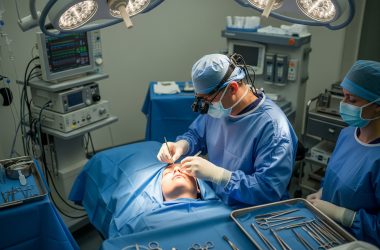
The procedure is usually performed with local anaesthesia and commonly takes place as a day procedure rather than requiring an overnight hospital stay.
A small incision is made in the eye, and the cloudy lens is usually broken into smaller pieces using ultrasound energy in a technique known as phacoemulsification. The lens material is then removed, and the new IOL is positioned inside the eye.
The purpose of the surgery is to restore clearer vision while selecting a lens that matches the patient’s visual needs as closely as possible.
How Much Does Cataract Surgery Cost in Turkey?
There is no single fixed price for cataract surgery in Turkey.
Cost can vary according to whether one or both eyes are treated, the type of intraocular lens selected, examinations required before surgery, the individual treatment plan, and what is included in the package.
Current MedicaRoute treatment listings provide the following indicative ranges:
| Treatment | Indicative MedicaRoute Price |
|---|---|
| Cataract surgery – one eye | €800–€1,500 |
| Cataract surgery with IOL replacement | €800–€1,500 |
| Mono-focal lens (Alcon) implantation | €800–€1,500 |
| Trifocal Lens (Alcon Pan-Optix) implantation | €1,500–€3,000 |
These ranges are intended for treatment planning rather than as guaranteed quotations. The final price depends on the patient’s examination, recommended lens and individual treatment plan.
This is why two cataract surgery quotations should not be compared only by their total cost. A quotation using a standard monofocal lens and one using a premium trifocal lens may represent significantly different treatment plans.
How Does Lens Choice Affect Cataract Surgery Cost?
The intraocular lens is one of the main factors affecting both treatment planning and price.
An intraocular lens replaces the natural lens removed during cataract surgery. Before the operation, measurements of the eye are taken to determine the appropriate lens power.
Different IOL designs provide different focusing characteristics. Some are primarily intended to provide clear vision at one distance, while others are designed to increase the range of useful vision.
Premium lenses can therefore cost more, but a more expensive lens is not automatically the best option for every patient.
What Are the Main Cataract Lens Options?
Monofocal lenses provide one principal focusing distance. They are commonly selected for clear distance vision, with reading glasses used for close work when required. Patients who are comfortable using glasses for some activities may find this a straightforward option.
A multifocal lens is designed to provide useful vision at more than one distance and may reduce dependence on glasses.
Trifocal lenses extend this concept by targeting near, intermediate and distance vision. Options available through MedicaRoute include Trifocal Lens (Alcon Pan-Optix) implantation and Trifocal Lens (Johnson & Johnson Synergy) implantation.
Toric IOLs may be considered for patients who also have corneal astigmatism. Their purpose is to address astigmatism while replacing the natural lens.
The most suitable lens depends on eye measurements, existing eye conditions, lifestyle and visual expectations rather than on price alone. To better understand the differences in focusing distance, glasses dependence, and visual trade-offs, read our Monofocal vs Multifocal vs Trifocal IOLs comparison guide.
How Do You Choose the Right Cataract Lens?
The ideal lens depends partly on how you use your vision every day.
Someone who drives frequently may prioritise distance and night vision, while another patient may be more interested in reducing dependence on reading glasses. Computer use, reading, intermediate-distance tasks, astigmatism and other eye conditions may also influence the decision.
Patients should also understand that no artificial lens can guarantee completely glasses-free vision for every activity.
Before treatment, discuss which visual distances matter most to you and what trade-offs may accompany each lens option. The objective is to select the lens that offers the best balance for your eyes and lifestyle.
What Happens Before Cataract Surgery?
A detailed eye assessment is required before surgery.
Measurements commonly include the length of the eye and the curvature of the cornea. These measurements help calculate the appropriate power of the replacement lens.
The ophthalmologist will also assess the cataract and check for other eye conditions that could influence treatment planning or the expected visual result.
International patients should ideally understand the proposed procedure, lens category and estimated treatment schedule before travelling. However, final recommendations may change following an in-person examination.
A personalised treatment plan is more useful than choosing surgery based only on an advertised starting price.
What Is Cataract Surgery Recovery Like?
Vision may initially be blurred after surgery, and the eye can feel watery, gritty, mildly sore or more sensitive to light. Improvement often begins during the first few days, although vision can continue to settle as the eye heals.
Eye drops are commonly prescribed during the postoperative period to control inflammation and reduce the risk of infection.
Patients are usually advised to avoid rubbing the operated eye and to temporarily limit activities that could expose it to trauma, dirty water or unnecessary strain. Swimming, heavy lifting and strenuous exercise may also be restricted during early recovery.
MedicaRoute treatment information indicates that patients commonly remain in Turkey for several days after cataract surgery, but the appropriate travel schedule depends on the individual treatment plan and postoperative assessment. For a detailed breakdown of vision changes, postoperative eye drops, and travel considerations, read our Cataract Surgery Recovery Timeline guide.
When Can You Fly After Cataract Surgery?
Flying after uncomplicated cataract surgery does not usually involve the same pressure-related restrictions associated with some retinal procedures involving intraocular gas.
However, being medically able to board a flight is not the only consideration.
Early postoperative follow-up is important because it allows the eye to be checked for healing and potential complications. International patients should therefore arrange their return flight around the follow-up plan provided by their ophthalmologist rather than assuming that everyone can travel after the same number of days.
If cataract surgery is combined with another eye procedure, travel recommendations may also be different.
What Are the Risks of Cataract Surgery?
Cataract surgery is a commonly performed procedure, but all eye surgery carries potential risks.
Possible complications can include infection, inflammation, bleeding, retinal problems, changes in vision, or issues with the position of the implanted lens.
Some patients can also develop posterior capsule opacification after cataract surgery. This occurs when the membrane behind the artificial lens becomes cloudy and affects vision. It can often be treated with a short laser procedure.
Patients should seek medical advice if they experience symptoms such as increasing pain, worsening redness, sudden deterioration in vision, or new flashes or floaters.
International patients should know how follow-up care will work both while they are in Turkey and after they return home.
What Should Be Included in a Cataract Surgery Quote?
A useful cataract surgery quotation should provide more information than a total price.
Before booking, confirm:
- whether treatment covers one eye or both eyes;
- the exact IOL or lens category included;
- preoperative eye examinations and measurements;
- procedure-related fees;
- postoperative medications;
- follow-up examinations;
- whether selecting another lens would change the price;
- the recommended treatment and travel schedule.
The exact lens is particularly important. A general quotation described only as “cataract surgery” does not tell you whether a monofocal, multifocal, trifocal or another type of IOL is included.
Cataract Surgery in Turkey: The Bottom Line
Cataract surgery removes the cloudy natural lens and replaces it with an artificial intraocular lens to restore clearer vision.
For patients considering cataract surgery in Turkey, the main decision is not simply how much the operation costs. Lens selection, eye measurements, visual priorities, postoperative follow-up and the treatment schedule all need to be considered together.
Monofocal lenses may suit patients who are comfortable using glasses for some activities, while multifocal or trifocal lenses may be considered by patients who want useful vision across a wider range of distances. Other lens designs may be recommended depending on astigmatism or individual eye characteristics.
When comparing treatment options, focus on what is actually included in the plan: the exact lens, examinations, surgery, follow-up and expected travel schedule.
A well-defined treatment plan makes it much easier to compare cataract surgery options accurately and understand what you are receiving for the quoted price.