
Dental implant brands can differ in design, materials, surface technology, prosthetic components, and the amount of clinical research behind them. So yes, the brand can matter.
But it is only one part of a much bigger treatment decision.
A well-known implant placed in the wrong position will not automatically produce a good result. At the same time, a less familiar implant system can be a reasonable option when it is properly selected, placed by an experienced dentist, and supported by suitable restorative components.
For patients considering dental implant treatment, the better question is not simply “Which implant brand is best?”
It is: “Why is this particular implant system right for my case?”
Does the Dental Implant Brand Really Matter?
To some extent, yes.
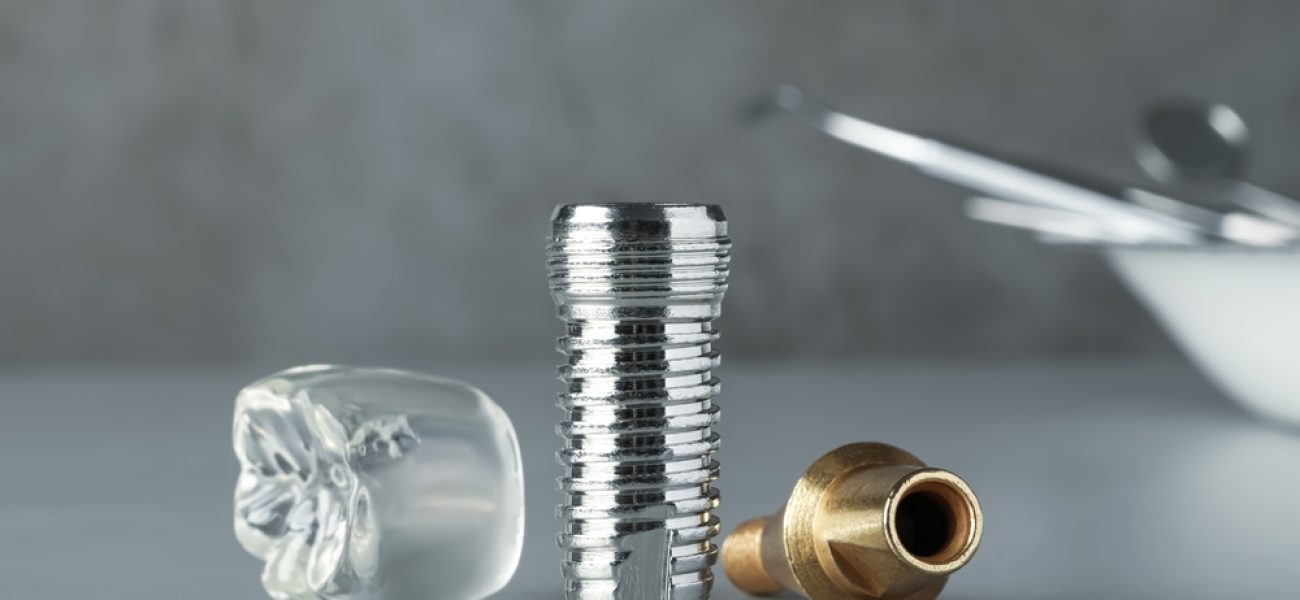
Dental implants are medical devices made up of several connected parts. The FDA describes a typical implant system as including the implant body placed in the jaw, an abutment, and often an abutment fixation screw.
Manufacturers may use different:
- implant shapes and thread designs;
- titanium or ceramic materials;
- surface treatments;
- implant-abutment connections;
- prosthetic components;
- digital dentistry systems.
These differences can affect how a dentist plans and restores the implant.
However, brand name alone does not determine whether an implant will succeed.
Long-term research shows that dental implants can perform well for decades, while biological and mechanical complications can still occur over time. A 2026 systematic review of prospective studies reported favorable long-term survival for titanium implants followed for at least 20 years, while also showing that both biological and mechanical failures remain possible.
This is why patients should compare the whole treatment rather than the logo on the implant box.
What Should You Compare Between Implant Brands?
Some differences are more useful to patients than others.
Instead of trying to understand every technical specification, focus on a few practical questions.
| What to Compare | Why It Matters |
| Clinical evidence | Shows how extensively the implant system has been studied |
| Exact implant system | One manufacturer may offer several very different implant designs |
| Dentist’s experience | Familiarity with the system matters during surgery and restoration |
| Prosthetic components | Crowns, bridges, abutments, and screws must work with the implant |
| Replacement-part availability | Important if maintenance is needed years later |
| Treatment plan | Bone quality, implant position, and restoration type can influence the choice |
| Documentation | You should know exactly which implant was placed |
The most expensive or most recognizable brand will not necessarily be the best match for every patient.
Look at the Exact Implant System, Not Just the Manufacturer
This is one of the easiest details to miss.
A company such as Straumann, Nobel Biocare, Medigma, or another implant manufacturer does not usually produce only one implant.
The same manufacturer may offer different implant designs for:
- single missing teeth;
- full-arch restorations;
- softer bone;
- narrow spaces;
- immediate placement;
- conventional healed sites.
So if a clinic tells you that it uses a particular brand, ask which exact system it plans to use.
Knowing only the manufacturer gives you part of the answer.
The specific implant model, diameter, length, connection, and restorative plan can be more relevant to your actual treatment.
How Important Is Clinical Research?
For many patients, this is one of the most meaningful differences between implant brands.
Some implant systems have been used and studied for many years, producing a large body of long-term research. Newer or smaller systems may have less published evidence available.
That does not automatically mean that a newer or less researched implant is unsafe.
Dental implant systems are medical devices and are subject to regulatory requirements. The FDA notes that implant systems are evaluated using international standards and that commonly used materials such as titanium and zirconium oxide have established safety profiles.
Still, a large body of long-term clinical evidence gives dentists and patients more information about how a particular system has performed over time.
If two implant options are being offered at very different prices, asking about their clinical documentation is reasonable.
Does Implant Material Matter?
Most dental implants are made from titanium or titanium-based materials, although zirconia implants are also available.
The FDA states that most implant systems use titanium or zirconium oxide, while titanium alloys and several other materials may also be used.
Different manufacturers may use different titanium grades or proprietary alloys.
Patients sometimes assume that one material must automatically be better than another, but implant selection is more complicated than that.
The dentist must also consider:
- how much bone is available;
- implant diameter;
- position in the jaw;
- bite forces;
- type of final restoration;
- implant design.
Material is therefore worth asking about, but it should not be used as a simple brand-ranking system.
What About Implant Surface Technology?
Implant surfaces are designed to interact with the surrounding bone during healing.
Different manufacturers use different surface treatments, and some companies have developed proprietary technologies that have been studied over many years.
Surface characteristics may influence biological behavior and healing, but patients should be careful with claims that one surface guarantees faster healing or better results in every case.
The 2026 long-term systematic review found some differences in marginal bone outcomes according to implant surface characteristics, but the authors noted that the available data were limited and highly variable.
In practice, the dentist should choose an implant surface and design that fit the clinical situation rather than selecting a system based on marketing terminology alone.
The Dentist’s Experience With the System Matters
An implant system is not used in isolation.
The dentist needs to understand its drilling protocol, implant geometry, connection, restorative components, and recommended surgical procedures.
A dentist who regularly works with a particular implant system may be able to use it more predictably than a system they rarely handle.
This does not mean patients should accept any brand simply because the dentist prefers it.
A useful question is:
“Why do you use this implant system for my case?”
A good explanation should relate the choice to your anatomy and restoration, not simply to price or brand reputation.
The Final Crown or Bridge Matters Too
Patients often spend a lot of time comparing implant brands while paying much less attention to the teeth that will actually be attached to them.
The implant sits inside the jawbone. What you see and use every day is the crown, bridge, or full-arch restoration connected to it.
This means factors such as:
- prosthetic design;
- bite;
- crown or bridge material;
- fit;
- cleaning access;
- laboratory quality
can be just as important to the long-term treatment as the implant manufacturer.
Implant components can also loosen or wear over time. Guy’s and St Thomas’ NHS Foundation Trust notes that implant parts may loosen or wear and that long-term professional care is required.
When comparing packages, look at the entire implant restoration rather than comparing only implant fixtures.
Is a More Expensive Implant Brand Better?
Not automatically.
Some implant brands cost more because they have extensive research, a large international distribution network, proprietary technologies, broad restorative systems, and long-established manufacturing.
Those features can have real value.
But the final treatment price also depends on many things unrelated to the implant brand, including:
- number of implants;
- bone grafting;
- extractions;
- temporary teeth;
- final prosthesis;
- laboratory work;
- hospital or clinic fees.
A cheaper treatment plan may contain a different implant brand, but it may also contain different restorative materials or fewer included services.
For this reason, two package prices should only be compared after checking that the treatment plans are genuinely similar.
Replacement Parts Are an Important Long-Term Consideration
Implants are intended to remain in the mouth for many years.
During that time, the restoration attached to the implant may need maintenance. A crown may need replacing, a prosthetic screw may loosen, or an abutment may eventually require attention.
This makes access to compatible components important.
A widely distributed implant system may be easier for another dentist to recognize and service if you later move country or receive treatment somewhere else.
This issue is especially relevant for medical tourists.
You may have surgery in Turkey but need routine implant care in the UK, Germany, the Netherlands, or another country several years later.
Before choosing an implant, ask whether replacement prosthetic components are readily available in your home country.
Always Ask for Your Implant Records
Whatever brand you choose, make sure you leave the clinic knowing exactly what has been placed.
The FDA specifically asks for identification of the dental implant system when implant-related problems are reported, highlighting how useful accurate device information can be.
Your records should ideally identify the manufacturer and exact implant system.
Keeping this information can save time if another dentist needs to work on the implant in the future.
It is much easier to provide a dentist with accurate implant information than to ask them to identify an unknown system years later from an X-ray.
To understand which implant details you should receive after treatment and why they matter for future dental care, read our Dental Implant Passport and Replacement Parts guide.
Does a Premium Brand Guarantee Implant Success?
No.
No implant manufacturer can remove all of the biological and mechanical risks associated with implant treatment.
Smoking, oral hygiene, gum health, bone condition, medical history, implant position, bite forces, and long-term maintenance can all influence the outcome.
Professional maintenance is particularly important. The International Team for Implantology emphasizes regular monitoring of peri-implant tissues, plaque control, prosthetic integrity, and mechanical complications as part of long-term implant care.
A premium implant therefore still needs good surgery, good restorative dentistry, and good maintenance.
When Can Implant Brand Be More Important?
Brand choice may deserve extra attention when:
- you are having several implants or a full-arch restoration;
- the treatment is complex;
- unusual implant dimensions are required;
- you are likely to receive long-term care in another country;
- future component availability is a priority;
- the proposed implant system has limited clinical documentation;
- two treatment plans use very different implant systems.
In these situations, understanding the implant ecosystem can be particularly useful.
For a straightforward single-tooth implant, other aspects of the treatment plan may carry more weight than whether one established implant brand is chosen over another.
What Should You Ask Before Choosing?
You do not need to become an implant expert before treatment.
A few simple questions can tell you most of what you need to know:
- Which exact implant system will you use?
- Why have you chosen it for my case?
- How much experience do you have with this system?
- What crown or bridge will be attached to it?
- Are replacement components available internationally?
- Will I receive a record of the implants placed?
If the clinic cannot clearly answer these questions, the problem is more important than whether the implant itself is considered a premium brand.
So, Does Dental Implant Brand Matter?
Yes, but probably not in the way many patients expect.
Implant brands differ in design, materials, surface technologies, research history, restorative components, and international availability.
Those differences are worth considering.
But choosing the most famous implant does not replace good diagnosis, careful surgery, well-designed prosthetics, or long-term maintenance.
When comparing dental implant treatment abroad, start with the dentist and the treatment plan. Then look at the exact implant system, the evidence behind it, the final restoration, and whether the system can be maintained easily in the future.
The brand matters.
It just should not be the only thing that matters.